
You’ve tried cutting carbs, skipping meals, eating tiny portions, and following whatever diet your friend swore worked for her. The scale drops a few pounds, you feel miserable, then everything comes back plus extra.
- 1. Why Women Face Unique Challenges
- 2. Finding Your Calorie Target
- 3. Protein Prevents Muscle Loss
- 4. Carbs Support Your Hormones
- 5. Fat Supports Hormone Production
- 6. Structuring Your Daily Meals
- 7. Complete Sample Meal Plan
- 8. Foods That Support Weight Loss
- 9. Foods to Minimize
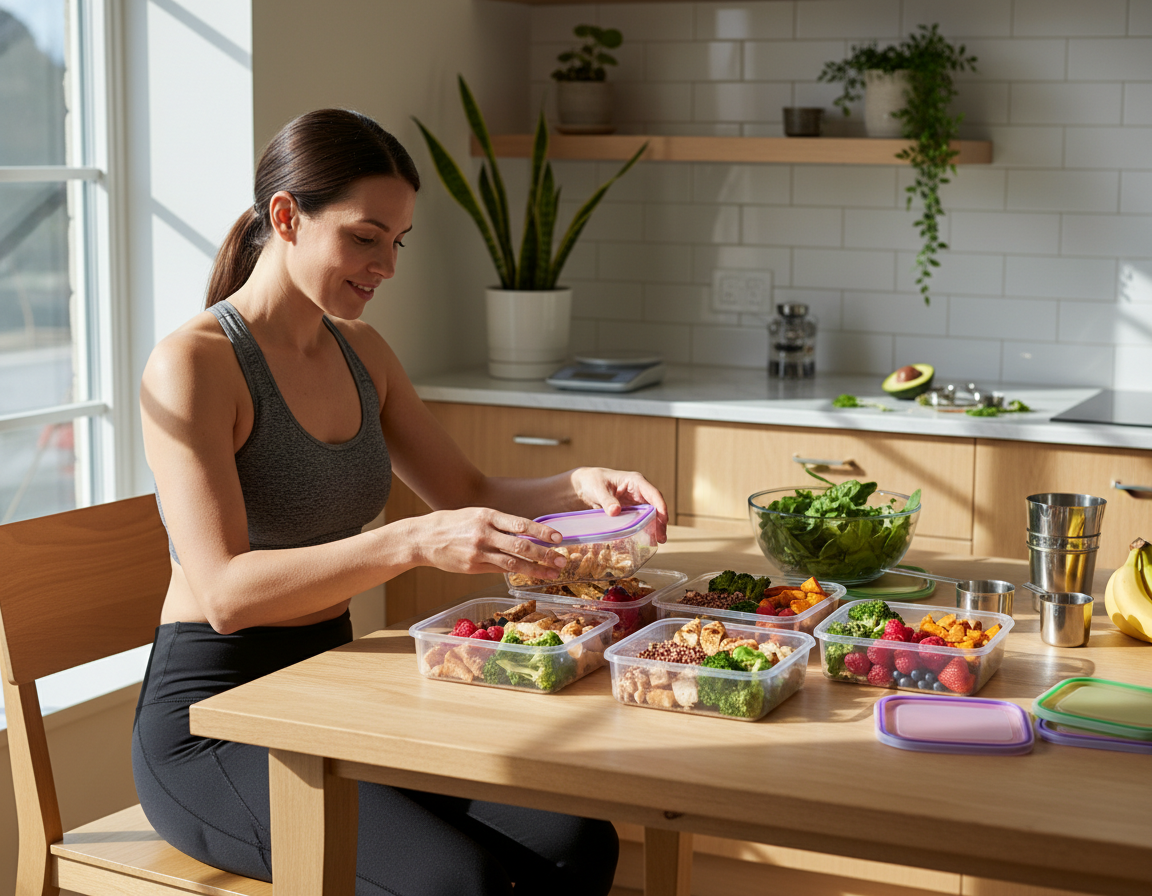
- 10. Meal Prep Strategies
- 11. Adjusting for Your Cycle
- 12. Dealing with Common Obstacles
- 13. Exercise and Nutrition Timing
- 14. Supplements for Women
- 15. When to Seek Professional Help
- 16. Tracking Your Progress Properly
- 17. KeySlim Drops for Women
- 18. Common Mistakes to Avoid
- 19. Making It Sustainable Long-Term
- 20. Maintaining Your Results
- Frequently Asked Questions
The problem isn’t your willpower. It’s that most weight loss advice ignores how women’s bodies actually function.
Your hormones fluctuate throughout the month, affecting hunger, energy, and fat storage. Your metabolism responds differently to calorie restriction than men’s bodies do. And your nutritional needs change based on age, activity level, and life stage.
This article gives you a complete weight loss meal plan for women that accounts for these factors. You’ll learn exactly what to eat, how much, and when to support fat loss while keeping your energy stable, hormones balanced, and metabolism functioning.
No starvation, no bland food, no unsustainable restrictions.
1. Why Women Face Unique Challenges
Your body prioritizes survival and reproduction over being lean. When you cut calories too aggressively, your body interprets this as a threat and holds onto fat stores more stubbornly than men’s bodies do.
Women naturally carry more body fat than men, around 22-24% compared to 15-17%. This is biological, not a flaw. Your body needs these fat stores for hormone production, particularly estrogen.
Hormonal fluctuations throughout your menstrual cycle affect everything. The follicular phase (days 1-14) typically brings higher energy and better carb tolerance. The luteal phase (days 15-28) often increases hunger, cravings, and water retention.
Your metabolism adapts faster to calorie restriction. Studies show women’s metabolic rate can drop by 15-20% within weeks of severe dieting, making further fat loss incredibly difficult.
Muscle mass plays a crucial role too. Women naturally have less muscle than men, which means a lower baseline metabolic rate. Preserving the muscle you have becomes critical during weight loss.
Understanding these factors helps you work with your body instead of fighting against it constantly.
2. Finding Your Calorie Target
Forget the 1,200 calorie recommendations you see everywhere. Most women need significantly more to lose weight sustainably without tanking their metabolism.
Start with your basal metabolic rate (BMR). Multiply your weight in pounds by 10 as a rough estimate. If you weigh 150 pounds, your BMR is approximately 1,500 calories. This is what your body burns keeping you alive.
Add activity levels. Sedentary lifestyle with minimal exercise? Multiply by 1.2. Lightly active with 1-3 workouts weekly? Multiply by 1.3. Moderately active with 3-5 workouts? Multiply by 1.4. Very active with 6-7 workouts? Multiply by 1.5.
This gives you maintenance calories. For a 150-pound woman who’s moderately active, that’s roughly 2,100 calories daily.
Subtract 300-400 calories for weight loss. This creates a deficit that promotes fat loss without triggering extreme hunger or metabolic slowdown. So you’d aim for 1,700-1,800 calories daily.
Track your results for two weeks. Losing 0.5-1 pound weekly is ideal for women. Losing faster might seem great, but it’s often water weight and muscle loss. Not losing at all? Reduce by another 100-200 calories.
Never drop below 1,400 calories unless under medical supervision. Going too low backfires by slowing metabolism, killing energy, and making the diet impossible to maintain.
3. Protein Prevents Muscle Loss

Most women don’t eat nearly enough protein. They focus on vegetables and whole grains while protein becomes an afterthought. This is a major mistake during weight loss.
Target 0.8-1 gram of protein per pound of body weight. If you weigh 150 pounds, aim for 120-150 grams daily. Yes, that’s significantly more than the RDA suggests, but you’re not just maintaining, you’re trying to lose fat while preserving muscle.
Protein keeps you full longer than any other macronutrient. It stabilizes blood sugar, preventing the energy crashes that lead to grabbing whatever’s convenient. It also has the highest thermic effect, meaning your body burns more calories digesting it.
Without adequate protein, your body breaks down muscle tissue for amino acids during a calorie deficit. Less muscle means lower metabolic rate, which makes losing fat progressively harder. You end up lighter but softer, without the toned look most women want.
Distribute protein across all meals. Don’t eat just 20 grams at breakfast and 100 grams at dinner. Your body can only process about 30-40 grams effectively at once for muscle maintenance.
Quality sources include chicken breast, turkey, fish, eggs, Greek yogurt, cottage cheese, lean beef, and protein powder. Plant-based options work too, like tofu, tempeh, edamame, and lentils, though you’ll need larger portions to hit targets.
4. Carbs Support Your Hormones
Low-carb diets became trendy, but extremely low carbohydrate intake can disrupt women’s hormones, particularly thyroid function and menstrual regularity.
Aim for 0.8-1.2 grams of carbohydrates per pound of body weight, depending on activity level. A 150-pound woman who trains regularly needs 120-180 grams daily. Sedentary women can go slightly lower, but never eliminate carbs completely.
Carbohydrates fuel your workouts, support thyroid hormone production, and help regulate cortisol. They’re also important for serotonin production, which affects mood and reduces cravings for sugary foods.
Time carbs strategically around activity. Have your largest carb portions at breakfast and around workouts when your body uses them most efficiently. This doesn’t mean carbs at night make you fat, that’s a myth. But front-loading them often controls hunger better.
During your luteal phase (the two weeks before your period), you might need slightly more carbs to manage increased hunger and cravings. Adding 20-30 grams during this time can make the diet much more sustainable without significantly impacting results.
Best sources include sweet potatoes, white potatoes, oats, quinoa, brown rice, whole grain bread, fruit, and vegetables. These provide steady energy without blood sugar spikes that trigger cravings.
Avoid processed carbs that offer little nutritional value. White bread, pastries, sugary cereals, and candy spike insulin without providing satiety or nutrients. Save these for rare occasions, not daily consumption.
5. Fat Supports Hormone Production
Dietary fat doesn’t make you fat. In fact, eating too little fat disrupts hormone production, particularly estrogen and progesterone, which can wreck your menstrual cycle and tank your metabolism.
Target 0.35-0.45 grams per pound of body weight. For a 150-pound woman, that’s 50-70 grams daily. This provides enough for hormone synthesis while leaving room for adequate protein and carbs.
Focus on unsaturated fats from sources like avocados, olive oil, nuts, seeds, and fatty fish like salmon. These support cardiovascular health, reduce inflammation, and help absorb fat-soluble vitamins A, D, E, and K.
Include some saturated fat from sources like eggs, dairy, and occasional red meat. Completely eliminating saturated fat isn’t necessary or beneficial. Your body needs some for cell membrane structure and hormone production.
Omega-3 fatty acids deserve special attention. Found in fatty fish, flaxseeds, chia seeds, and walnuts, they reduce inflammation, support brain function, and may help with fat loss by improving insulin sensitivity.
Watch portions carefully. Fat contains 9 calories per gram compared to 4 for protein and carbs. It’s easy to pour too much olive oil, eat half an avocado without measuring, or finish a jar of almond butter and accidentally consume 500+ calories.
Completely avoid trans fats. Check labels for “partially hydrogenated oils” and skip those products entirely. Trans fats increase inflammation, raise bad cholesterol, and provide zero nutritional benefit.
6. Structuring Your Daily Meals
Most women do well with three main meals and one or two small snacks. This provides consistent energy throughout the day without constant grazing or extreme hunger between meals.
Morning (7:00-8:00 AM): Start with a protein-rich breakfast within an hour of waking. This stabilizes blood sugar, reduces cravings later, and provides energy for the morning. Include carbs for sustained energy and a small amount of fat for satiety.
Midday (12:00-1:00 PM): Your largest meal often works best at lunch when metabolism is most active. Include all three macros in balanced portions. This prevents the afternoon energy crash that drives many women to reach for sugary snacks.
Evening (6:00-7:00 PM): Dinner should be satisfying but not your heaviest meal unless that fits your schedule better. Include plenty of protein and vegetables, with moderate carbs and fat. Eating too late doesn’t inherently cause weight gain, but it can disrupt sleep quality for some women.
Snacks (optional): If you’re genuinely hungry between meals, have a planned snack. Good options include Greek yogurt with berries, apple slices with almond butter, or a protein shake. Don’t snack out of boredom or habit.
Listen to your hunger cues, but also recognize that some hunger during a deficit is normal. You’re eating less than your body wants, so you’ll feel it occasionally. The goal is managing hunger, not eliminating it completely.
7. Complete Sample Meal Plan
Here’s what a full day looks like on a weight loss meal plan for women. This example targets 1,700 calories with 130g protein, 170g carbs, and 55g fat for a 150-pound moderately active woman.
Breakfast (7:30 AM):
- 3 egg whites + 1 whole egg scrambled
- 1 cup cooked oatmeal
- 1/2 cup mixed berries
- 1 tsp almond butter stirred into oatmeal
- Black coffee or green tea
Mid-Morning Snack (10:30 AM):
- 1 medium apple
- 10 raw almonds
Lunch (12:30 PM):
- 5 oz grilled chicken breast
- 1 cup quinoa
- Large mixed green salad
- 2 cups steamed broccoli
- 1 tbsp olive oil for dressing
Afternoon Snack (3:30 PM):
- 1 cup low-fat Greek yogurt
- 1 tbsp honey
Dinner (6:30 PM):
- 5 oz baked salmon
- 1 medium sweet potato
- 1.5 cups roasted Brussels sprouts
- Side salad with balsamic vinegar
Evening (if hungry):
- Herbal tea
- 1 oz dark chocolate (85% cacao)
This plan provides variety, hits all macro targets, and includes foods that most women actually enjoy eating. Nothing restrictive, nothing boring, just solid nutrition that supports your goals.
8. Foods That Support Weight Loss
Not all calories are equal when you’re trying to drop weight. Some foods keep you satisfied for hours, while others leave you ravenous within an hour.
Protein Sources:
- Chicken breast and turkey
- White fish (cod, tilapia, halibut)
- Salmon and other fatty fish
- Eggs (whole and whites)
- Greek yogurt and cottage cheese
- Lean ground beef (93% lean or higher)
- Tofu and tempeh
Complex Carbohydrates:
- Sweet potatoes and white potatoes
- Oatmeal and quinoa
- Brown rice and wild rice
- Whole grain bread and pasta
- Legumes (lentils, chickpeas, black beans)
- Berries, apples, oranges
Healthy Fats:
- Avocado
- Extra virgin olive oil
- Raw nuts (almonds, walnuts, cashews)
- Natural nut butters
- Chia seeds and flaxseeds
- Fatty fish
High-Volume Vegetables:
- Spinach, kale, lettuce
- Broccoli, cauliflower, Brussels sprouts
- Zucchini, bell peppers, cucumbers
- Tomatoes, mushrooms, asparagus
- Green beans, snap peas
Build your meals around these foods. They’re nutrient-dense, filling, and support your body’s needs during a calorie deficit without leaving you constantly hungry.
9. Foods to Minimize
You don’t need to eliminate any foods completely. Total restriction leads to intense cravings and eventual binges. But certain foods make weight loss unnecessarily difficult.
Processed snacks and baked goods pack tons of calories into small portions without providing satiety. Three cookies can be 400 calories but won’t keep you full like a real meal would.
Sugary drinks are empty calories. Regular soda, juice, sweetened coffee drinks, and smoothies from chains often contain 300-500 calories without satisfying hunger. Stick to water, unsweetened tea, black coffee, or sparkling water.
Alcohol slows fat loss significantly. Your body prioritizes metabolizing alcohol over burning stored fat. It also lowers inhibitions, making you more likely to overeat or make poor food choices. Limit to 2-3 drinks per week maximum if you’re serious about results.
Fried foods are calorie bombs. Restaurant fried chicken, french fries, onion rings, and similar items contain way more oil than you realize. The breading absorbs huge amounts of fat during frying.
High-calorie condiments add up quickly. Mayonnaise, ranch dressing, cream-based sauces, and some salad dressings pack 100+ calories per tablespoon. Measure these carefully or choose lighter alternatives.
Refined carbs like white bread, pastries, and sugary cereals spike blood sugar then crash it, triggering more cravings. They provide little nutritional value and don’t keep you satisfied.
10. Meal Prep Strategies
Cooking every meal from scratch daily isn’t realistic for most women juggling work, family, and other responsibilities. Meal prep saves time and keeps you consistent.
Choose one or two days weekly for prep. Sunday and Wednesday work well for many women. Batch-cook proteins, prepare grains, chop vegetables, and portion everything into containers.
Proteins: Cook 2-3 pounds of chicken breast, bake salmon portions, hard-boil a dozen eggs, or prepare ground turkey. These last 4-5 days in the refrigerator.
Carbs: Make large batches of quinoa, brown rice, or sweet potatoes. These reheat well and stay fresh for 5-6 days when stored properly.
Vegetables: Wash and chop raw vegetables for salads. Roast or steam batches of broccoli, Brussels sprouts, or green beans. Some vegetables lose quality quickly, so prep these mid-week if needed.
Invest in quality containers. Glass containers last longer and don’t absorb odors like plastic. Get various sizes for different meal components and complete meals.
Use a food scale. Eyeballing portions leads to overeating, especially with calorie-dense foods like nuts, oils, and grains. Weigh everything initially until you learn what proper portions look like.
Keep it simple initially. Don’t try to make five different elaborate recipes your first week. Master basic proteins, grains, and vegetables first, then add variety as you get comfortable.
11. Adjusting for Your Cycle
Your nutritional needs and hunger levels fluctuate throughout your menstrual cycle. Ignoring this makes weight loss unnecessarily difficult during certain weeks.
Follicular Phase (Days 1-14): This is when you typically feel best. Energy is higher, workouts feel easier, and appetite is more controlled. Take advantage of this phase to push harder in training and stick to your calorie target more strictly.
Keep protein consistent but you might naturally want slightly fewer carbs. Listen to your body and adjust portions based on genuine hunger, not restriction.
Ovulation (Around Day 14): Energy peaks and appetite often decreases naturally. Some women report feeling their strongest during this brief window. Maintain your meal plan and capitalize on high energy levels.
Luteal Phase (Days 15-28): This is when things get challenging. Progesterone rises, which increases appetite and cravings, particularly for sweets and carbohydrates. You might also experience more fatigue and water retention.
Add 100-200 calories during this phase, primarily from carbohydrates. This small increase helps manage cravings and energy without significantly impacting fat loss. Better to add controlled calories than white-knuckle through intense cravings and end up binging.
Increase sodium slightly if you’re experiencing significant bloating. This sounds counterintuitive, but consistent sodium intake actually helps regulate water balance better than constantly changing amounts.
Menstruation (Days 1-5): Iron needs increase during your period due to blood loss. Include iron-rich foods like lean red meat, spinach, lentils, and fortified cereals. Pair plant-based iron with vitamin C sources for better absorption.
Don’t panic about weight fluctuations. Water retention can add 3-5 pounds during your luteal phase and period. This isn’t fat gain. Focus on the overall trend across full months, not week-to-week changes.
12. Dealing with Common Obstacles
Real life doesn’t always cooperate with perfect meal plans. Here’s how to navigate common challenges without derailing progress.
Social events and restaurants: Don’t skip events to avoid food temptation. That’s not sustainable long-term. Instead, eat a protein-rich meal before going so you’re not starving. At restaurants, order grilled proteins with vegetables and request dressings on the side. Most places accommodate simple requests.
Late-night cravings: These are usually habit or boredom, not genuine hunger. Drink water or herbal tea first. If you’re truly hungry after a reasonable dinner, have a small protein-based snack like Greek yogurt or a small protein shake.
Weekend overeating: Many women stay on track Monday through Friday, then undo all progress by overeating on weekends. Plan higher-calorie meals you enjoy for Saturday or Sunday, but keep them reasonable. One 600-calorie restaurant meal won’t ruin anything. Five drinks and 3,000 calories will.
Stress eating: Identify triggers that drive you to eat when not physically hungry. Stress, anxiety, loneliness, and boredom are common culprits. Develop non-food coping strategies like walking, calling a friend, journaling, or doing something with your hands.
Eating with kids: Finishing food off your children’s plates adds hundreds of untracked calories. Pack leftovers immediately or toss them if not enough to save. You’re not a garbage disposal, and those bites absolutely count toward your total intake.
Hormonal hunger: Sometimes your body genuinely needs more food, particularly during your luteal phase. Don’t fight extreme hunger with willpower alone. Add a small amount of food rather than trying to suffer through and eventually binging.
13. Exercise and Nutrition Timing
Your workout type and timing affect how you should structure meals. Matching nutrition to training improves performance and results.
Strength training (3-5 times weekly): Eat a meal containing protein and carbs 2-3 hours before training. This could be Greek yogurt with fruit and granola, or chicken with rice and vegetables. You want digested food providing energy, not a full stomach causing discomfort.
Post-workout, eat within 60-90 minutes. This doesn’t need to be a special meal or shake. Your regular lunch or dinner works fine as long as it contains protein and carbs to support recovery.
Cardio workouts: Moderate cardio (walking, light jogging) doesn’t require special nutrition timing. Train fasted if you prefer, or eat beforehand, whatever feels better.
High-intensity cardio (HIIT, sprints, cycling classes) benefits from having some carbs beforehand. A piece of fruit or small serving of oatmeal 30-60 minutes prior prevents bonking during the workout.
Rest days: You don’t need to drastically change your eating on rest days. Maybe reduce carbs by 20-30 grams if you want, but keep protein consistent. Your body is recovering and building muscle on rest days, so it still needs adequate nutrition.
Never skip meals to “save” calories for later. This strategy backfires by making you ravenous, then you overeat and blow your deficit anyway. Spread calories evenly throughout the day for best results.
14. Supplements for Women
Supplements don’t replace real food, but a few can help fill nutritional gaps and support your goals.
Multivitamin: Choose one formulated for women that includes adequate iron, folate, and B vitamins. This provides insurance for micronutrients you might miss from food, especially during a calorie deficit.
Vitamin D: Most people are deficient, especially women who live in northern climates or don’t get daily sun exposure. Vitamin D supports immune function, mood, and bone health. Aim for 2,000-4,000 IU daily.
Omega-3 Fish Oil: If you don’t eat fatty fish 2-3 times weekly, supplement with fish oil providing at least 1,000mg combined EPA and DHA. This reduces inflammation, supports cardiovascular health, and may help with fat loss.
Protein Powder: Not necessary if you can get enough protein from whole foods, but convenient for busy women. Whey protein digests quickly and mixes easily. Plant-based options work too, though they typically need larger servings to match whey’s protein content.
Magnesium: Many women are low in magnesium, which affects sleep quality, muscle recovery, and stress management. Take 200-400mg before bed. This can also help with PMS symptoms and menstrual cramps.
Skip fat burners and detox teas. They’re mostly caffeine and laxatives wrapped in marketing. If you want caffeine for energy, just drink coffee. It’s cheaper and more effective.
15. When to Seek Professional Help
Most women can follow a structured meal plan safely, but certain situations require guidance from a registered dietitian or doctor.
Contact a professional if:
| Situation | Why Professional Help is Needed |
|---|---|
| History of eating disorders | Requires specialized support to avoid relapse |
| Thyroid conditions | Needs careful monitoring and possible medication adjustment |
| PCOS or hormonal imbalances | Requires specific nutritional strategies |
| Diabetes or pre-diabetes | Blood sugar management needs professional oversight |
| Pregnancy or breastfeeding | Nutritional needs are significantly different |
| Losing more than 2 lbs weekly | Too rapid, likely losing muscle mass |
| Extreme fatigue or dizziness | May indicate nutritional deficiencies or health issues |
| Menstrual cycle stops | Sign of undereating or excessive stress on body |
These conditions require individualized approaches that account for your specific health status and medications. Don’t guess your way through it when your health is at stake.
Also seek help if you’ve tried everything consistently for 3+ months without any results. There may be underlying metabolic or hormonal issues preventing progress that need medical evaluation.
16. Tracking Your Progress Properly
The scale tells part of the story, but weight fluctuates daily based on dozens of factors that have nothing to do with fat loss.
Weigh yourself once weekly at the same time under identical conditions. First thing Monday morning after using the bathroom, before eating or drinking, wearing the same thing or naked. Compare these weekly weigh-ins over a full month.
Take progress photos every two weeks. Front, side, and back views in the same lighting wearing the same form-fitting clothes. Visual changes often appear before the scale moves, especially if you’re building muscle.
Measure key areas with a fabric tape measure. Waist at belly button height, hips at widest point, and thighs mid-point. Losing inches proves you’re dropping fat even if weight stays stable.
Track energy levels and mood. Feeling good means your plan is working and sustainable. Feeling exhausted, irritable, or miserable means something needs adjustment regardless of what the scale says.
Monitor strength and performance. Maintaining or increasing weights lifted proves you’re preserving muscle mass. Rapid strength loss indicates you’re not eating enough protein or overall calories.
Pay attention to how clothes fit. This is often the most accurate measure of progress. Jeans getting looser around the waist matters more than scale fluctuations.
17. KeySlim Drops for Women
Some women benefit from additional support alongside their weight loss meal plan for women, particularly when managing hormonal hunger and cravings.
KeySlim Drops is a natural liquid supplement designed to support metabolism, reduce appetite, and help maintain steady energy levels during a calorie deficit. The liquid formula absorbs faster than pills or capsules, making it more effective.
The formula includes green tea extract and guarana for thermogenesis support, African mango and raspberry ketones to help control cravings, and gymnema sylvestre to stabilize blood sugar throughout the day.
It also contains adaptogenic herbs like ginseng and maca root, which help balance cortisol levels. This is particularly important for women dealing with stress-related weight gain or emotional eating patterns.
KeySlim Drops includes L-carnitine and chromium picolinate to support fat metabolism and reduce sugar cravings. Many women report fewer late-night cravings and better appetite control during meals after using it consistently.
The supplement supports hormonal balance naturally, which is crucial during weight loss. It includes ingredients that help manage stress hormones while supporting thyroid function and overall metabolic health.
It’s manufactured in FDA-registered, GMP-certified facilities in the USA using natural ingredients. No significant side effects have been reported, though it’s not recommended for anyone under 18 or for pregnant or breastfeeding women.For complete information on how KeySlim Drops works, ingredient breakdown, and real user results, read our full KeySlim Drops Review.
18. Common Mistakes to Avoid
Even with a solid weight loss meal plan for women, certain mistakes can stall progress or make the process miserable.
Cutting calories too aggressively: Dropping to 1,000-1,200 calories might seem like the fastest path to weight loss, but it backfires by slowing metabolism, killing energy, and making the plan impossible to maintain.
Skipping strength training: Many women only do cardio, fearing weights will make them bulky. This is physiologically impossible without testosterone levels women don’t naturally have. Strength training preserves muscle during weight loss, which keeps metabolism higher.
Ignoring hunger during luteal phase: Trying to maintain the same deficit during the two weeks before your period when hunger naturally increases leads to binge eating. Add 100-200 calories during this phase for better adherence.
Comparing yourself to others: Your friend might lose weight faster due to different genetics, starting point, hormones, or activity level. Focus on your own progress, not someone else’s timeline.
Drinking calories mindlessly: Lattes, juices, and wine add hundreds of calories without registering as food in your brain. You can drink 500 calories and still feel hungry immediately after.
Eating the same foods daily: While consistency helps, eating identical meals every day makes you miserable and can lead to nutritional gaps. Rotate proteins, carbs, and vegetables to maintain sanity and nutrient diversity.
Giving up after one bad meal: One pizza night or dessert doesn’t ruin your progress. Get back on track the next meal. Perfectionism leads to all-or-nothing thinking that derails entire weeks.
19. Making It Sustainable Long-Term

Quick fixes fail because they’re temporary. You need an approach you can maintain for months and eventually transition into normal eating.
Allow flexibility regularly. If you’re eating out or celebrating something, don’t stress about hitting exact macros. One higher-calorie meal per week keeps you sane without significantly impacting results.
Find foods you genuinely enjoy. Forcing yourself to eat foods you hate guarantees failure. If you don’t like fish, don’t eat it. If you love Mexican food, figure out how to fit it into your plan occasionally.
Build habits gradually instead of overhauling everything at once. Master tracking food for two weeks, then work on meal prep, then fine-tune portions. Sustainable change happens in layers, not overnight transformations.
Plan for cravings and preferences. If you know you love chocolate, work a small amount into your daily plan. Having foods you enjoy prevents feelings of deprivation that trigger binges.
Practice self-compassion. You’ll have days where you overeat or skip workouts. That’s normal human behavior, not moral failure. Acknowledge it, learn from it, move forward. Guilt and shame don’t help anything.
Remember your reason for starting. Whether it’s health, confidence, energy, or fitting into certain clothes, keep that reason visible. Progress photos, goal outfits, or fitness milestones remind you why consistency matters.
20. Maintaining Your Results
Losing weight is challenging. Keeping it off is harder. Most women regain weight within a year because they view the diet as temporary rather than building lasting habits.
Continue loose tracking even after reaching your goal. You don’t need to weigh every bite forever, but maintaining general awareness prevents gradual weight creep over time.
Stay active with exercise you enjoy. Find activities that don’t feel like punishment. Dancing, hiking, group fitness classes, yoga, whatever keeps you moving consistently matters more than doing the “optimal” workout.
Keep protein intake high even in maintenance. This helps preserve muscle mass and keeps you satisfied. Many women reduce protein once they hit their goal weight, then struggle with hunger and gradual weight regain.
Allow controlled indulgences regularly. Rigid restriction creates the deprivation-binge cycle that causes weight fluctuations. Having planned higher-calorie meals prevents feeling like you’re still dieting forever.
Monitor your weight weekly. If you notice a 5-pound gain, address it immediately. Losing 5 pounds is much easier than waiting until it becomes 15 or 20 pounds.
Adjust your approach as your life changes. Pregnancy, menopause, job changes, and stress all affect your nutritional needs. What worked at 25 might need modification at 35 or 45. Stay flexible and adapt as needed.
The Bottom Line
A weight loss meal plan for women isn’t about eating as little as possible or following rigid rules that make you miserable. It’s about understanding your body’s unique needs and creating a structure that supports fat loss without destroying your energy, hormones, or relationship with food.
Start with appropriate calories based on your activity level. Prioritize protein to preserve muscle mass. Include enough carbs to fuel workouts and support hormonal health. Don’t fear dietary fat because it’s essential for hormone production.
Structure meals in a way that fits your lifestyle and preferences. Prep in batches to save time. Track progress with multiple metrics beyond just the scale. Adjust your approach based on where you are in your menstrual cycle.
Most importantly, build habits you can maintain long-term. Quick fixes and extreme restrictions might work briefly, but they always fail eventually. Small consistent actions compound into significant results over months.
Your body will adapt. You’ll discover which foods keep you satisfied, which meals fit your schedule, and how to handle challenges without completely derailing progress.
Trust the process, stay consistent, and adjust when needed. The plan works if you work the plan.



Frequently Asked Questions
How much protein do women really need for weight loss?
Aim for 0.8-1 gram per pound of body weight daily. If you weigh 150 pounds, target 120-150 grams spread throughout your meals. This amount preserves muscle mass during a calorie deficit and keeps you fuller longer than lower protein intakes.
Should I eat differently during my menstrual cycle?
Yes, adjusting slightly helps manage natural hormonal fluctuations. During your luteal phase (two weeks before your period), add 100-200 calories primarily from carbohydrates to manage increased hunger and cravings. This small increase helps adherence without significantly impacting results.
Can I lose weight without counting calories?
Technically yes, but it’s much harder and slower. Most people underestimate intake by 30-40%. Tracking for at least the first month teaches proper portions and helps identify where extra calories hide. Once you understand portions, you can transition to intuitive eating if preferred.
How fast should women expect to lose weight?
Target 0.5-1 pound weekly. Faster loss usually means losing muscle along with fat. Women’s bodies adapt quickly to restriction, so slower progress preserves metabolism better. Focus on monthly trends rather than week-to-week fluctuations due to hormonal water retention.
Do I need supplements for weight loss?
No supplement is necessary, but some help fill nutritional gaps. A multivitamin provides insurance for micronutrients. Vitamin D and omega-3s benefit most people. Protein powder adds convenience if you struggle hitting protein targets from whole foods alone.
What if my weight loss stalls completely?
First, verify you’re tracking accurately. Portions often creep up over time. If tracking is tight, try a refeed day with 100-200 extra carb calories, increase daily steps by 2,000, or take a full diet break at maintenance calories for one week. Sometimes your body needs a metabolic reset.