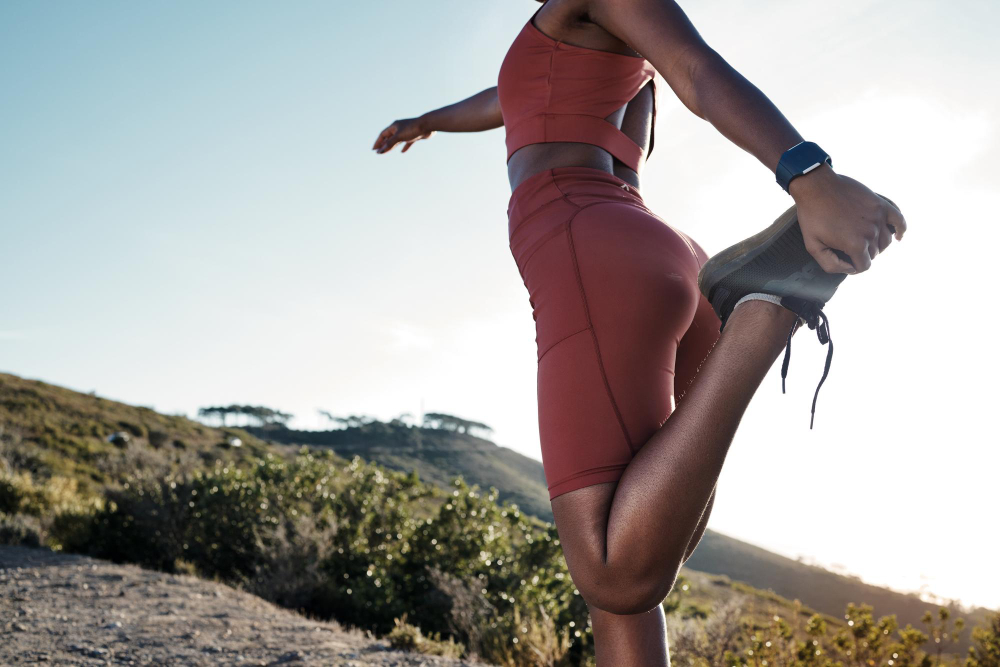


Achieving a leaner lower body often feels like a challenge because the hips and thighs are common areas for the body to store subcutaneous fat, particularly due to hormonal influences.
- 2. Lower body fat mechanics
- 3. Nutrition for fat loss
- 4. Best exercises for hips
- 5. Cardiovascular strategies for results
- 6. Sustainable metabolic support
- 7. Importance of daily movement
- 8. Lifestyle and recovery factors
- 9. Monitoring your progress correctly
- 10. Conclusion
- You May Also Like:
- Frequently Asked Questions
To successfully address this, you must look beyond “spot reduction” and focus on a comprehensive strategy that shifts your overall body composition.
By combining specific movements that tone the glutes and abductors with a nutritional plan that encourages fat oxidation, you can create a more sculpted and firm appearance.
This guide provides a detailed roadmap for anyone wondering how to reduce hip fat while maintaining muscle tone and energy levels.
When you begin the journey to reduce hip fat, it is essential to understand that consistency in your metabolic health is the most significant factor.
Lower body fat stores are often the last to be mobilized by the body, meaning your approach must be sustainable rather than a “quick fix.”
In the following sections, we will explore the mechanics of lower body fat storage, the most effective exercises for structural definition, and how to optimize your daily habits to encourage your body to use stored fat as fuel more efficiently.
2. Lower body fat mechanics
Understanding why the body stores energy in the pelvic region is the first step toward managing it. For many, this is a result of genetics and the natural protective roles of body fat.
Hormonal influence on hips
Estrogen plays a significant role in where the body decides to store fat. This is why women often see more accumulation in the hips and thighs.
Managing insulin levels through diet can help signal the body to stop storing excess energy in these specific adipose tissues.
Muscle versus fat mass
Many people mistake a lack of muscle tone for “excess fat.” By building the muscles in your hips and glutes, you create a firmer foundation that makes the skin appear tighter and the area more contoured, even before significant weight is lost.
3. Nutrition for fat loss
You cannot out-train a diet that promotes fat storage. To see a reduction in the hip area, your internal chemistry must support fat burning.
Prioritize lean protein intake
Protein has a high thermic effect, meaning your body burns more calories just digesting it. It also preserves lean muscle mass while you are in a caloric deficit.
Manage glycemic load
Large spikes in blood sugar lead to insulin surges, which are the primary “storage” signals for the body. Focusing on complex carbohydrates like quinoa, sweet potatoes, and leafy greens keeps your energy stable.
| Food Group | Examples | Benefit for Hips |
| Fibrous Greens | Spinach, Kale, Broccoli | Reduces inflammation and aids digestion |
| Healthy Fats | Avocado, Walnuts, Olive Oil | Supports hormone balance |
| Lean Proteins | Chicken breast, Tofu, White fish | Preserves muscle during fat loss |
| Slow Carbs | Steel-cut oats, Beans | Prevents insulin spikes |
4. Best exercises for hips
While you cannot choose where your body burns fat first, you can choose where you build strength. These movements ensure that as you lose fat, the underlying shape is athletic and toned.
1. Lateral Lunges
Unlike traditional forward lunges, the lateral lunge targets the side of the hips and the inner thighs. This helps in building the “glute medius,” which provides that sought-after side-hip definition.
2. Curtsy Squats
By crossing one leg behind the other, you engage the hip abductors more intensely than a standard squat. This movement is highly effective for refining the transition between the hips and the upper thigh.
3. Glute Bridges
Lying on your back and lifting your hips toward the ceiling targets the posterior chain. Adding a resistance band around your knees during this exercise increases the tension on the outer hips.
5. Cardiovascular strategies for results
To reduce hip fat effectively, your cardio should focus on intensity and variety. Steady-state walking is great for health, but high-intensity intervals (HIIT) often yield better fat-burning results in less time.
- Incline Walking: Walking on a treadmill at a 5-10% incline engages the glutes and hips much more than flat ground.
- Stair Climbing: This is perhaps the best cardiovascular activity for the lower body, as every step is essentially a mini-squat.
- Sprints: Short bursts of speed force the body to recruit “fast-twitch” muscle fibers in the legs and hips, which are metabolically very active.
6. Sustainable metabolic support
Many people find that after a few weeks of exercise and dieting, they hit a plateau. This is often because the body’s metabolism adapts to the lower calorie intake.
Finding ways to keep your metabolic rate high is crucial for long-term success.
During my research into lower body transformations, I encountered various methods people use to maintain their momentum. Some focus on specific herbal integrations to keep their energy levels consistent.
If you are looking for an optional way to support your transition, you might want to read our full review of Keyslim Drops.
This product is often used as a complementary addition to a healthy routine, offering a blend of ingredients aimed at supporting metabolic speed.
It isn’t a replacement for the hard work of squats and lunges, but many users have shared that it helped them stay on track when their progress felt stagnant.
7. Importance of daily movement
Non-Exercise Activity Thermogenesis (NEAT) refers to the energy we burn doing everything that isn’t formal exercise. This is a secret weapon for those trying to reduce hip fat.
- Standing Desks: Standing burns slightly more calories per hour than sitting and keeps your hip flexors from becoming chronically tight.
- Daily Step Counts: Aiming for 10,000 steps ensures that your body stays in a “fat-utilization” state throughout the day.
- Stretching: Tight hips can lead to poor posture, which makes the lower stomach and hips protrude more. Daily hip openers can improve your silhouette.
8. Lifestyle and recovery factors
If you are stressed and sleep-deprived, your body produces cortisol. High cortisol levels are directly linked to fat storage, particularly in the midsection and lower body.
Quality sleep for repair
Muscle tissue is repaired and fat is metabolized during deep sleep. Aim for 7 to 9 hours of quality rest to ensure your hormones are balanced for weight loss.
Hydration and water retention
Sometimes, what looks like hip fat is actually subcutaneous water retention caused by dehydration or high salt intake. Drinking enough water helps flush out the system and keeps skin looking firm.
9. Monitoring your progress correctly
Do not rely solely on the scale. Because muscle is denser than fat, your weight might stay the same even as your hips get smaller and firmer.
- Use a Tape Measure: Track the circumference of your hips every two weeks.
- Take Photos: Visual evidence often shows changes in “shape” that the scale cannot detect.
- Check Clothing Fit: How your favorite pair of jeans fits is the ultimate indicator of progress in the hip area.
10. Conclusion

Learning how to reduce hip fat is not about finding a magic exercise, but about creating a lifestyle that prioritizes metabolic health and muscle engagement.
By focusing on a diet rich in lean proteins, performing targeted lateral movements, and ensuring your hormones are balanced through proper sleep and stress management, you create the ideal environment for a transformation.
Remember that your body is a complex system; the changes you make for your hips will benefit your heart, your energy levels, and your overall confidence.
Stay patient with the process, as lower body fat often takes the longest to respond, but the results of a dedicated approach are always worth the wait.
Start today by choosing one new exercise and one nutritional adjustment to implement this week.
You May Also Like:
- Exercises to burn stomach fat and tone your core naturally
- Workouts to lose love handles and tone your midsection
- How to burn back fat with effective habits for success
Frequently Asked Questions
How long to see hip changes?
While initial water weight may drop quickly, significant changes in hip fat and muscle tone usually take 8 to 12 weeks of consistent effort.
Can I target just hips?
You cannot spot-reduce fat, but you can tone the hip muscles. Total body fat loss through diet is required to reveal the underlying muscle.
Are squats good for hips?
Yes, squats are a foundational movement. To focus more on the hips, try widening your stance or adding a resistance band to engage the outer glutes.
Does walking reduce hip fat?
Walking is an excellent tool for overall calorie burning. Incline walking specifically helps by targeting the muscles of the lower body more effectively.
Why is hip fat stubborn?
Lower body fat has a higher density of alpha-receptors, which slow down fat mobilization compared to the beta-receptors found in upper body fat.