

To understand how to prevent binge eating at night, we must look directly at the physiological signals your body sends to your brain.
- 1. Stabilize blood glucose levels
- 2. Restore circadian meal timing
- 3. Increase protein consumption
- 4. Manage cortisol levels
- 5. Differentiate hunger types
- 6. Correct hydration status
- 7. Support metabolic pathways
- 8. Optimize sleep hygiene
- 9. Increase dietary fiber
- 10. Adjust environment cues
- 11. Address nutrient deficiencies
- 12. Monitor alcohol intake
- 13. Practice mindful mastication
- 14. Utilize thermal effects
- 15. Consult a specialist
- Conclusion
- You May Also Like:
- Frequently Asked Questions
Nighttime overeating is generally not a behavioral failure; it is a biological response to metabolic imbalance.
When the body does not receive adequate nutrition during the active hours of the day, the hypothalamus—the control center in the brain—senses a deficit in energy reserves.
To ensure survival, it triggers a cascade of hormonal responses designed to force you to consume calories rapidly.
The primary mechanism involves the upregulation of ghrelin, the hormone that stimulates appetite, and the downregulation of leptin, the hormone that signals satiety.
When this hormonal shift occurs in the evening, it overrides the prefrontal cortex, which is responsible for executive decision-making. This is why the urge to eat feels uncontrollable. To stop this, we must intervene at the metabolic level.
By adjusting meal frequency, macronutrient composition, and circadian timing, we can stabilize these hormones before evening arrives. This approach moves away from psychological willpower and focuses on restoring physiological homeostasis.
1. Stabilize blood glucose levels
The most common trigger for evening hunger is glycemic instability, or fluctuating blood sugar. When you consume foods high in simple carbohydrates (like sugary snacks or white bread) without adequate protein or fiber, your blood glucose spikes rapidly.
The pancreas responds by releasing a large amount of insulin to lower the sugar levels. This often leads to “reactive hypoglycemia,” a drop in blood sugar that occurs hours later.
When blood sugar drops in the evening, the brain interprets this as an energy emergency. It creates an intense craving for quick energy sources, typically sugar. To prevent this, you must prioritize “low glycemic” meals that release energy slowly.
Clinical Recommendation:
- Pair every carbohydrate with a protein source.
- Avoid consuming carbohydrates alone on an empty stomach.
- Focus on complex carbohydrates like legumes and whole grains.
2. Restore circadian meal timing
Your metabolism operates on a circadian rhythm, an internal 24-hour clock. The body is primed to digest and metabolize food most efficiently during daylight hours. This is known as “chrononutrition.”
Skipping breakfast or delaying food intake until the afternoon disrupts this rhythm. It suppresses appetite signals early in the day but causes a compensatory surge in hunger hormones at night.
This is a condition often referred to as “delayed phase eating.” To correct this, you must align your caloric intake with your body’s active phase.
Timing Protocol:
- Phase 1 (Morning): Consume 30% of daily calories.
- Phase 2 (Mid-day): Consume 40% of daily calories.
- Phase 3 (Evening): Consume 30% of daily calories.
3. Increase protein consumption
Protein is the most critical macronutrient for satiety. Upon ingestion, protein stimulates the secretion of Peptide YY (PYY) and Glucagon-like Peptide-1 (GLP-1) from the gut.
These are potent anorexigenic (appetite-suppressing) hormones that travel to the brain to signal fullness.
A deficiency in daily protein intake often manifests as “nonspecific hunger”—a constant urge to eat because the body is seeking amino acids.
Ensuring adequate protein at dinner is particularly important to maintain satiety through the night. A study in the American Journal of Clinical Nutrition (2015) confirmed that high-protein meals significantly reduce the neural activation in brain regions controlling food cravings in the late evening.
Target Intake:
- Aim for 20–30 grams of protein per meal.
- Sources: Lean meats, fish, eggs, tofu, or Greek yogurt.
4. Manage cortisol levels
Cortisol is a glucocorticoid produced by the adrenal glands. While essential for waking up, chronically elevated cortisol levels lead to “hyperphagia,” or excessive eating.
Cortisol specifically drives the appetite for high-fat and high-sugar foods because these foods dampen the body’s stress response temporarily.
If you experience high stress throughout the day and do not manage it, your cortisol levels may peak in the evening instead of declining. This hormonal profile mimics the state of starvation, driving night eating.
Cortisol Reduction Techniques:
- Deep Breathing: Activates the parasympathetic nervous system (Vagus nerve).
- Magnesium Supplementation: Magnesium acts as a cofactor in neurotransmitter regulation, helping to calm the nervous system.
5. Differentiate hunger types
From a medical perspective, it is vital to distinguish between “homeostatic hunger” (eating for energy) and “hedonic hunger” (eating for pleasure). Hedonic hunger is driven by the brain’s reward system, specifically the dopamine pathways.
Nighttime binging is predominantly hedonic. The brain seeks the dopamine release that comes from palatable foods. You can clinically differentiate these by the onset speed.
Homeostatic hunger builds slowly and is felt in the stomach. Hedonic hunger hits suddenly and is felt as a mental urge for a specific taste or texture.
Diagnostic Step:
- If you are hungry, ask: “Would I eat a plain apple right now?”
- If yes: Physiological hunger. Eat a balanced meal.
- If no: Hedonic craving. Address the dopamine need through non-food sensory input (e.g., hot bath, music).
6. Correct hydration status
Dehydration creates an electrolyte imbalance that can disrupt hypothalamic function. The hypothalamus regulates both thirst and appetite.
When osmolality (blood concentration) increases due to lack of fluid, the brain may generate signals that are misinterpreted as hunger.
Maintaining euvolemia (normal fluid status) throughout the day ensures that thirst signals do not interfere with appetite regulation.
Hydration Protocol:
- Consume 300-500ml of water upon waking.
- Drink water between meals, not just during meals, to aid satiety.
7. Support metabolic pathways
In clinical practice, we observe that some patients struggle with metabolic inflexibility—the inability to switch efficiently between burning glucose and burning fat.
This inefficiency can lead to energy dips that trigger cravings. While lifestyle modification is the primary treatment, supporting the enzymatic pathways involved in metabolism can be a valid adjunctive strategy.
KeySlim Drops is a nutritional supplement formulated to provide cofactors that support these metabolic processes.
The preparation utilizes a liquid delivery method to bypass the breakdown often seen in solid capsules, allowing for more direct absorption of its botanical constituents.
The rationale for using such a formulation in this context is to provide a consistent background level of micronutrient support.
By ensuring the availability of specific nutrients involved in energy metabolism, the body may maintain more stable energy levels.
This stability can help reduce the amplitude of physiological signals that the brain interprets as a need for immediate caloric intake (binging). It is a supportive measure used to facilitate the primary dietary interventions.
8. Optimize sleep hygiene
Sleep deprivation is a direct endocrine disruptor. Lack of sleep lowers leptin levels and raises ghrelin levels. A study in PLoS Medicine (2004) demonstrated a linear relationship: as sleep duration decreases, BMI and appetite increase.
Furthermore, sleep deprivation affects the endocannabinoid system, which is involved in appetite regulation. This leads to the specific desire for “hyper-palatable” foods (high fat/sugar) in the evening.
Sleep Hygiene Protocol:
- Temperature: Keep the bedroom between 60-67°F to facilitate thermoregulation.
- Light: Eliminate blue light exposure 60 minutes before bed to protect melatonin production.
- Consistency: Wake up at the same time daily to anchor the circadian clock.
9. Increase dietary fiber
Dietary fiber, particularly soluble fiber, increases gastric distension. It absorbs water in the stomach and expands, mechanically stimulating the stretch receptors in the stomach wall. These receptors send afferent signals to the brainstem via the Vagus nerve, indicating fullness.
Additionally, fiber slows gastric emptying, meaning glucose is released into the bloodstream more slowly. This sustained energy release prevents the post-meal hunger spikes often seen with low-fiber diets.
Sources:
- Psyllium husk.
- Cruciferous vegetables (broccoli, Brussels sprouts).
- Chia and flax seeds.
10. Adjust environment cues
“Stimulus control” is a behavioral modification technique used in medical weight management. It operates on the premise that exposure to food cues (sight or smell) induces insulin secretion—a “cephalic phase response”—before food is even eaten. This insulin release lowers blood sugar and creates hunger.
To prevent this physiological reaction, one must remove the stimuli.
Environmental Adjustments:
- Remove high-calorie snack foods from the visual field (countertops).
- Designate the kitchen as an “eating-only” zone; do not work or relax there.
- Turn off lights in the kitchen after the final meal to signal the end of the feeding window.
11. Address nutrient deficiencies
Specific micronutrient deficiencies can drive appetite as the body attempts to obtain the missing elements. For example, zinc and chromium play roles in insulin sensitivity and glucose metabolism. A deficiency in these minerals can exacerbate blood sugar fluctuations.
Ensuring a diet rich in micronutrients—or utilizing appropriate supplementation under guidance—prevents “hidden hunger,” where the caloric intake is high but nutrient status is low.
12. Monitor alcohol intake
Alcohol is a disinhibitor. Pharmacologically, it suppresses the activity of the prefrontal cortex, impairing judgment and impulse control.
Simultaneously, alcohol can induce hypoglycemia (low blood sugar) because the liver prioritizes metabolizing alcohol over releasing glucose.
This combination—reduced inhibition plus physiological hunger—creates a high-risk scenario for binge eating. Reducing or eliminating alcohol consumption in the evening restores cognitive control and stabilizes glucose levels.
13. Practice mindful mastication
Digestion begins in the mouth. The mechanical act of chewing (mastication) stimulates the release of saliva and prepares the stomach for food.
More importantly, it takes approximately 20 minutes for the satiety hormones (cholecystokinin and GLP-1) to reach therapeutic levels in the bloodstream.
Rapid eating bypasses this window. By chewing thoroughly and extending the duration of the meal, you allow the physiological feedback loop to close, ensuring you feel full before you overconsume.
14. Utilize thermal effects
Ingesting warm fluids or foods can have a soothing effect on the gastrointestinal tract and the autonomic nervous system. Warmth stimulates vasodilation (widening of blood vessels) in the gut, which can aid digestion and promote a sense of satiety.
Drinking herbal tea (non-caffeinated) in the evening provides volume to the stomach and sensory satisfaction without caloric load, helping to mitigate the urge to binge.
15. Consult a specialist
If night eating persists despite these physiological interventions, it may indicate Night Eating Syndrome (NES), a recognized clinical disorder characterized by morning anorexia, evening hyperphagia, and insomnia.
In such cases, professional medical evaluation is required to assess for underlying hormonal pathologies or to implement cognitive behavioral therapy (CBT) specifically tailored for eating disorders.
Conclusion
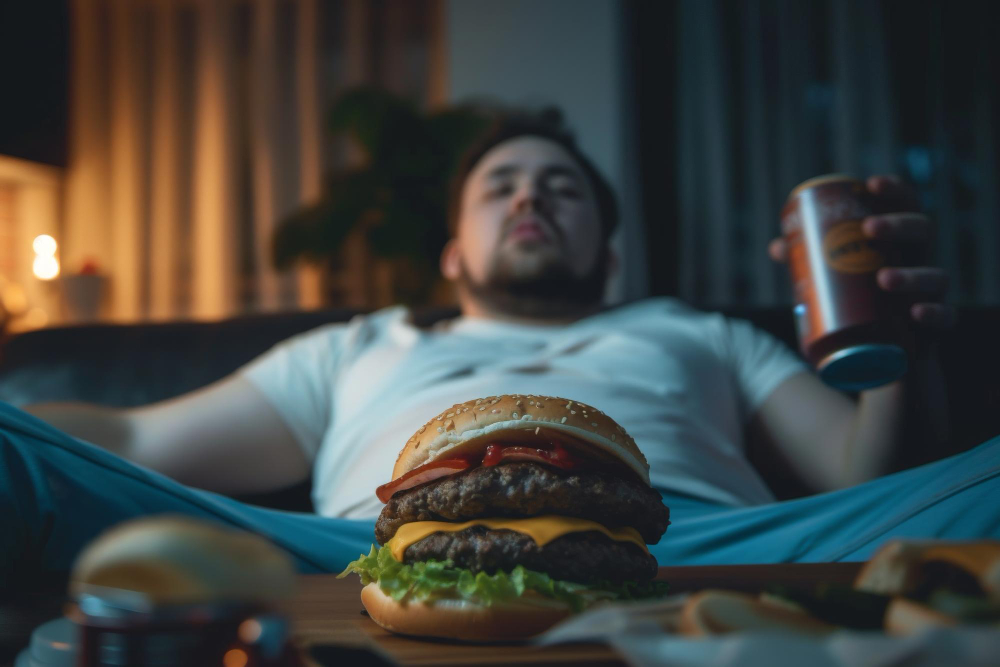
The prevention of binge eating at night is a clinical objective that requires correcting the underlying physiological dysregulation.
It is not effectively managed through restriction or punishment, but through the strategic restoration of homeostasis.
When the body is provided with adequate energy and nutrients during the active phase of the circadian cycle, the biological drive to overconsume in the evening diminishes.
By stabilizing blood glucose through complex carbohydrates and protein, managing cortisol output, and ensuring proper sleep hygiene, you remove the chemical triggers for appetite.
The goal is to align your external behaviors with your internal biology. As you implement these medical protocols—focusing on hydration, nutrient density, and hormonal balance—you will observe a natural reduction in nighttime cravings and a return to metabolic health.
You May Also Like:
- Exercises to burn stomach fat and tone your core naturally
- How to burn back fat with effective habits for success
- Workouts to lose love handles and tone your midsection
Frequently Asked Questions
What causes night eating syndrome?
Night Eating Syndrome (NES) is often caused by a desynchronization between the body’s circadian rhythm and its food intake rhythm. It involves a delay in the pattern of food intake, often linked to lower melatonin and leptin levels at night.
Does protein prevent binging?
Yes. Protein ingestion stimulates the release of satiety hormones like PYY and GLP-1. These hormones signal the hypothalamus to reduce appetite, making protein the most effective macronutrient for preventing hunger.
How does sleep affect hunger?
Sleep deprivation disrupts the endocrine system. It lowers leptin (satiety hormone) and increases ghrelin (hunger hormone) and cortisol (stress hormone). This hormonal profile creates a strong physiological drive to eat high-calorie foods.
Can dehydration mimic hunger?
Yes. The sensation of thirst and hunger are processed in the same area of the brain. Mild dehydration can cause the hypothalamus to send signals that are easily misinterpreted as hunger, leading to unnecessary calorie consumption.
Is cortisol linked to weight gain?
Yes. Chronically elevated cortisol promotes visceral adiposity (fat storage around the organs) and increases appetite for energy-dense foods. Managing stress is a crucial component of metabolic weight management.