

You step on the scale hoping to see progress, but the numbers haven’t budged. You eat what seems like plenty of food, yet your clothes still hang loose and people keep commenting on how thin you look.
- 1. Understanding Female Metabolism
- 2. Caloric Surplus Requirements
- 3. Protein Priority Strategy
- 4. Strategic Carbohydrate Intake
- 5. Healthy Fat Integration
- 6. Strength Training Protocol
- 7. Meal Frequency Approach
- 8. Liquid Calorie Strategy
- Addressing Common Obstacles
- Hormonal Considerations
- Supporting Supplements
- Tracking Progress Appropriately
- When to Contact a Professional
- Conclusion
- Frequently Asked Questions
While most weight-related content focuses on loss, the struggle to gain weight as a female presents its own set of unique challenges that often go unaddressed.
The frustration of trying everything without results, combined with unwanted attention about your body size, creates a deeply personal struggle that deserves serious, science-based solutions.
Being underweight or unable to gain weight isn’t just about aesthetics—it affects energy levels, hormonal balance, bone density, immune function, and overall quality of life.
Women face specific physiological factors that influence weight gain differently than men, from hormonal cycles that affect appetite and metabolism to societal pressures that complicate the conversation around intentionally gaining weight. The challenge isn’t simply eating more; it’s understanding how female physiology responds to nutrition, exercise, and lifestyle factors that support healthy weight gain.
This comprehensive guide examines evidence-based strategies specifically designed for females who want to gain weight in a healthy, sustainable way.
You’ll discover why standard advice often fails women, learn the physiological mechanisms that support healthy weight gain, and receive actionable protocols that address female-specific concerns.
Whether you’re recovering from illness, naturally thin with a fast metabolism, or struggling with hormonal issues affecting your weight, these strategies provide the foundation for achieving your goals while supporting overall health.
“Healthy weight gain for women isn’t about forcing yourself to eat junk food—it’s about strategically nourishing your body to build muscle, balance hormones, and create sustainable curves that support your health and confidence.”
1. Understanding Female Metabolism
Female metabolism operates differently than male metabolism in ways that directly impact weight gain efforts. Women naturally carry higher body fat percentages than men due to reproductive hormones, typically ranging from 20-25% body fat compared to men’s 10-15%. This biological difference means that healthy weight gain for females should focus on building both muscle tissue and appropriate fat stores rather than simply increasing scale weight.
Estrogen, the primary female sex hormone, significantly influences where and how the body stores fat. Unlike testosterone which promotes muscle building and fat burning, estrogen encourages fat storage in specific areas—hips, thighs, and breasts—creating the characteristic female body shape. This hormonal environment means that women gain muscle more slowly than men but may find it easier to gain appropriate subcutaneous fat when following the right nutritional approach. Understanding this distinction helps set realistic expectations and informs strategy.
The menstrual cycle creates metabolic fluctuations that affect appetite, energy expenditure, and nutrient partitioning throughout the month. During the follicular phase (the first half of your cycle), estrogen dominance typically increases insulin sensitivity and carbohydrate tolerance, making this an optimal time for muscle building. The luteal phase (post-ovulation) raises progesterone levels, increases metabolic rate by approximately 100-300 calories daily, and often increases appetite—a natural biological response that can be leveraged for weight gain when properly understood.
Many females struggling to gain weight possess naturally high metabolic rates combined with high NEAT (Non-Exercise Activity Thermogenesis)—the calories burned through daily movement outside of structured exercise.
Some women unconsciously increase movement when eating more, essentially burning off additional calories through fidgeting, pacing, gesturing, and other spontaneous physical activity. Recognizing these metabolic tendencies allows for strategic interventions that work with your physiology rather than against it.
Key Metabolic Factors for Females
Hormonal Influences:
- Estrogen promotes fat storage in feminine distribution patterns
- Progesterone increases metabolic rate during luteal phase
- Thyroid function affects overall metabolic rate
- Cortisol elevation from stress can prevent weight gain
Natural Metabolic Variations:
- Basal metabolic rate varies significantly between individuals
- NEAT can account for 200-800 calories daily variation
- Digestive efficiency affects calorie absorption
- Muscle mass directly correlates with metabolic rate
2. Caloric Surplus Requirements
Gaining weight requires consuming more calories than your body expends—a concept called caloric surplus. However, determining the appropriate surplus for healthy weight gain in females requires more precision than simply “eating more.” An excessive surplus leads predominantly to fat gain without muscle development, while too small a surplus may not trigger the anabolic response needed for tissue building.
Start by establishing your maintenance calorie level—the amount needed to maintain current weight. For most women, this ranges from 1,800 to 2,400 calories daily depending on activity level, age, body size, and metabolic rate. A conservative surplus of 250-500 calories above maintenance supports steady weight gain of approximately 0.5-1 pound weekly—a pace that maximizes muscle gain while minimizing excessive fat accumulation.
The composition of your caloric surplus matters enormously. Simply adding empty calories from sugar and processed foods may increase scale weight but won’t build the healthy tissue you’re seeking. Your surplus calories should come from nutrient-dense whole foods that provide the building blocks for muscle, bone, and hormonal health. This means prioritizing quality protein sources, complex carbohydrates, healthy fats, and micronutrient-rich foods rather than filling the gap with low-quality calories.
Tracking intake initially helps ensure you’re actually achieving a surplus. Many women who believe they eat plenty discover through tracking that their actual intake falls well below what they estimated.
Using a food tracking app for 2-3 weeks provides valuable data about your true intake patterns, reveals gaps in your nutrition, and helps establish portion sizes that support your goals. Once you’ve established successful eating patterns, intuitive eating often works well for maintenance.
| Female Weight Gain Guidelines | Recommendation |
|---|---|
| Caloric Surplus | 250-500 calories above maintenance |
| Expected Weight Gain | 0.5-1 pound per week |
| Minimum Protein | 0.8-1g per pound target body weight |
| Carbohydrate Intake | 40-50% of total calories |
| Healthy Fats | 25-35% of total calories |
| Meal Frequency | 4-6 meals/snacks daily |
3. Protein Priority Strategy
Protein serves as the fundamental building block for muscle tissue, making adequate intake absolutely essential for healthy weight gain. Women attempting to gain weight need significantly more protein than sedentary women maintaining their weight—approximately 0.8-1 gram per pound of target body weight daily. This elevated protein intake supports muscle protein synthesis, aids recovery from strength training, and helps ensure that weight gained includes substantial muscle mass rather than just fat.
The timing and distribution of protein intake influences its effectiveness. Rather than consuming most protein at dinner, distribute intake evenly across 4-6 meals and snacks throughout the day, with approximately 20-30 grams per eating occasion.
This pattern maintains elevated muscle protein synthesis throughout the day, maximizing the anabolic response to both food and training.
Quality matters as much as quantity. Complete protein sources containing all essential amino acids provide superior support for muscle building compared to incomplete proteins. Animal sources like chicken, fish, lean beef, eggs, and dairy naturally provide complete proteins, while plant-based eaters should combine complementary sources such as rice and beans, or supplement with pea and rice protein blends to ensure adequate amino acid profiles.
Many females struggle to consume sufficient protein because traditional female diets often emphasize carbohydrates and limit meat portions. Overcoming this requires strategic meal planning that prioritizes protein at each eating occasion. Start every meal by selecting your protein source first, then build carbohydrates and vegetables around it. This simple reframing ensures adequate intake without feeling overly stuffed.
High-Protein Foods for Weight Gain
Animal-Based Options:
- Whole eggs (6g protein per egg plus healthy fats)
- Chicken breast or thighs (25-30g per 4oz serving)
- Fatty fish like salmon (25g protein plus omega-3s per 4oz)
- Greek yogurt (15-20g per cup)
- Cottage cheese (25g per cup)
- Lean beef (25g per 4oz)
Plant-Based Options:
- Lentils and beans (15-18g per cooked cup)
- Quinoa (8g per cooked cup)
- Tofu and tempeh (15-20g per serving)
- Edamame (17g per cup)
- Hemp seeds (10g per 3 tablespoons)
- Protein powder supplements (20-25g per scoop)
4. Strategic Carbohydrate Intake
Carbohydrates fuel workouts, support muscle recovery, optimize hormone production, and provide the energy surplus needed for weight gain. Women attempting to gain weight should consume 40-50% of their total calories from carbohydrate sources—significantly more than low-carb diets popular for weight loss. This macronutrient becomes particularly important for females because inadequate carbohydrate intake can disrupt menstrual cycles, reduce thyroid function, and impair the hormonal environment necessary for healthy weight gain.
The type of carbohydrates you choose impacts both health and results. Focus primarily on complex carbohydrates from whole food sources: oats, rice, quinoa, sweet potatoes, regular potatoes, whole grain bread and pasta, and fruits. These foods provide sustained energy, contain essential micronutrients, support gut health through fiber content, and create stable blood sugar levels that prevent energy crashes.
Timing carbohydrate intake around training maximizes their anabolic effects. Consuming carbohydrates before workouts provides energy for performance, while post-workout carbohydrates replenish glycogen stores and create an insulin response that drives nutrients into muscle cells. This strategic timing supports both training quality and recovery, two essential factors for building muscle mass.
Don’t fear carbohydrates from starchy vegetables and whole grains. The misguided fear of carbs that dominates weight loss content doesn’t apply when your goal involves gaining healthy weight. Your body needs adequate glucose to fuel muscle building, support hormonal health, and maintain the energy levels required for strength training. Embrace carbohydrates as the fuel that powers your transformation.
“For women trying to gain weight, carbohydrates aren’t the enemy—they’re the fuel that powers muscle growth, hormonal balance, and the energy needed to train effectively.”
5. Healthy Fat Integration
Dietary fat serves multiple critical functions in female physiology, making adequate intake essential for anyone learning how to gain weight healthily. Fat provides 9 calories per gram compared to 4 calories from protein or carbohydrates, making it the most calorically dense macronutrient and an efficient way to increase total intake without excessive food volume. This caloric density becomes particularly valuable for women who feel full quickly or struggle to consume large meal portions.
Beyond caloric contribution, fat intake directly influences hormone production. Cholesterol from dietary fats serves as the precursor for all steroid hormones including estrogen, progesterone, and testosterone. Women consuming very low-fat diets often experience hormonal disruptions including irregular or absent menstrual cycles—a clear sign that the body lacks the raw materials needed for optimal function. Healthy weight gain requires hormonal balance, which demands adequate fat intake.
The type of fats you consume matters significantly. Prioritize unsaturated fats from sources like avocados, nuts, seeds, olive oil, and fatty fish, while including moderate amounts of saturated fats from whole food sources like eggs, dairy, and meat. These whole food fat sources provide not just calories but also fat-soluble vitamins (A, D, E, K), essential fatty acids, and compounds that support overall health.
Avoid falling into the trap of adding excessive poor-quality fats. While fast food, fried foods, and processed snacks contain plenty of calories, they lack the nutritional density needed to support healthy weight gain and may contribute to inflammation, poor digestion, and metabolic dysfunction. Focus on whole food fat sources that nourish your body while contributing to your caloric surplus.
Optimal Fat Sources for Female Weight Gain
Monounsaturated Fats:
- Avocados (healthy fats plus fiber and potassium)
- Olive oil and olives
- Almonds, cashews, and macadamia nuts
- Natural nut butters without added sugars
Polyunsaturated Fats:
- Fatty fish (salmon, mackerel, sardines)
- Walnuts and walnut oil
- Flaxseeds and chia seeds
- Hemp seeds
Saturated Fats (in moderation):
- Whole eggs including yolks
- Full-fat dairy products
- Coconut oil for cooking
- Dark chocolate (70%+ cacao)
6. Strength Training Protocol
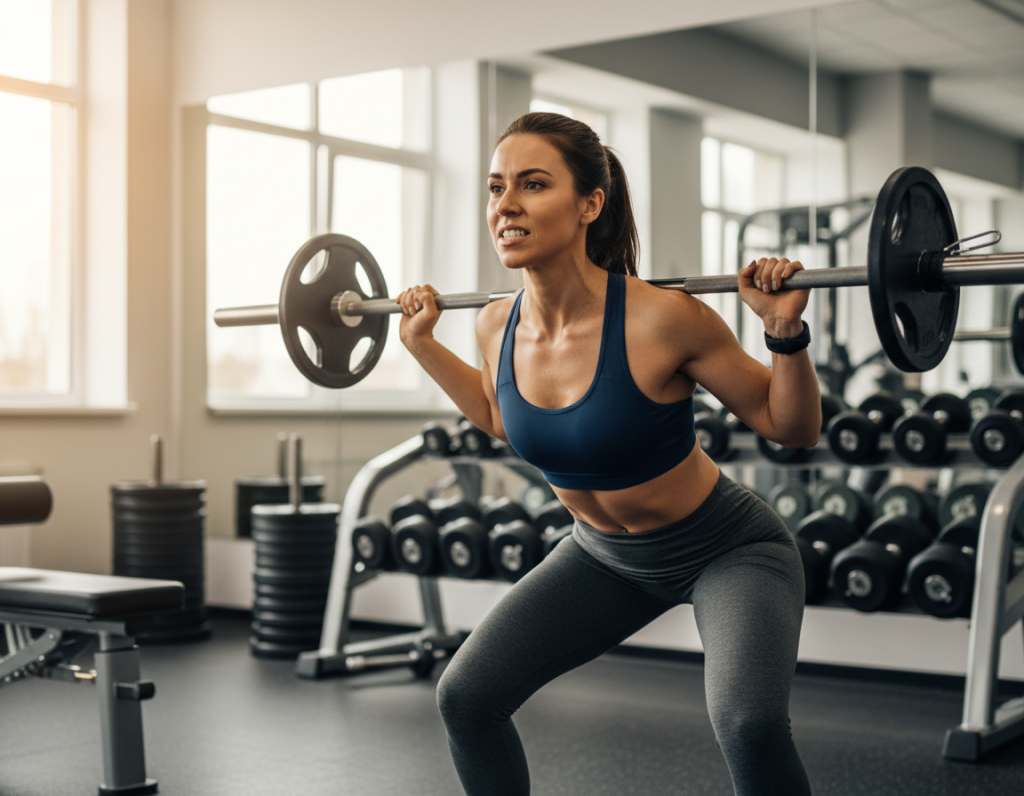
Exercise for weight gain looks completely different from exercise for weight loss. While cardio-focused training burns calories and potentially interferes with gaining weight, progressive strength training stimulates muscle growth, increases appetite, and ensures that weight gained includes substantial muscle tissue rather than just fat. This distinction makes strength training absolutely essential for females seeking healthy weight gain.
Progressive overload—gradually increasing the weight, repetitions, or volume over time—provides the stimulus that forces muscle adaptation and growth. Beginners should focus on compound movements that work multiple muscle groups: squats, deadlifts, bench press, overhead press, rows, and pull-ups or lat pulldowns. These exercises create maximum muscle stimulus with efficient time investment, typically requiring just 3-4 training sessions weekly lasting 45-60 minutes.
Women often receive misguided advice about using light weights for high repetitions to avoid “getting bulky.” This concern lacks scientific foundation. Female testosterone levels average 10-20 times lower than male levels, making significant muscle growth much more difficult to achieve. Building appreciable muscle mass as a female requires consistent progressive training combined with caloric surplus—exactly what you’re pursuing. The result is a toned, strong, feminine physique with healthy curves, not the bulky appearance that concerns many women.
Training frequency and recovery balance determine results. Most women gain optimally training each major muscle group 2-3 times weekly with at least 48 hours recovery between sessions targeting the same muscles. This might look like full-body workouts three times weekly, upper/lower splits four times weekly, or other configurations that allow adequate recovery while providing sufficient training stimulus.
| Effective Strength Training Parameters | Recommendation |
|---|---|
| Training Frequency | 3-4 days per week |
| Rep Range for Hypertrophy | 6-12 reps per set |
| Sets Per Exercise | 3-4 sets |
| Rest Between Sets | 2-3 minutes for compounds |
| Session Duration | 45-60 minutes |
| Progressive Overload | Increase weight 2-5% when you can complete all prescribed reps with good form |
7. Meal Frequency Approach
Eating frequency significantly impacts the ability to consume sufficient calories for weight gain. Most females seeking to gain weight benefit from 4-6 smaller meals and snacks distributed throughout the day rather than attempting to eat enormous portions at three traditional meals. This approach prevents excessive fullness, maintains steady energy levels, keeps protein synthesis elevated, and makes achieving your caloric target much more manageable.
Structure your day to include three main meals plus 2-3 substantial snacks. Each eating occasion should contain protein, carbohydrates, and fats in proportions that support your goals. Avoid the mistake of skipping meals or going long periods without eating—every missed meal makes achieving your caloric surplus significantly more difficult and may trigger metabolic adaptations that slow weight gain.
Meal timing around training deserves special attention. Consume a meal containing both protein and carbohydrates 2-3 hours before training to ensure adequate energy, then prioritize a post-workout meal within 2 hours after finishing your session. This peri-workout nutrition supports performance, recovery, and muscle growth—three essential factors for healthy weight gain.
Many women find that preparing meals and snacks in advance dramatically improves adherence. Batch cooking proteins, preparing grab-and-go snacks, and having convenient options readily available removes the friction that often prevents adequate intake. When healthy, calorie-dense foods require minimal preparation, you’re far more likely to eat them consistently.
Sample Daily Eating Schedule
Breakfast (7:00 AM):
- 3 whole eggs scrambled with cheese
- 2 slices whole grain toast with almond butter
- 1 banana
- Total: ~600 calories
Mid-Morning Snack (10:00 AM):
- Greek yogurt with granola and berries
- Handful of mixed nuts
- Total: ~400 calories
Lunch (1:00 PM):
- Grilled chicken breast or salmon
- Large serving of rice or quinoa
- Mixed vegetables with olive oil
- Total: ~600 calories
Pre-Workout Snack (4:00 PM):
- Protein smoothie with banana, oats, protein powder, nut butter
- Total: ~500 calories
Dinner (7:00 PM):
- Lean beef or turkey
- Sweet potato or pasta
- Salad with avocado and olive oil dressing
- Total: ~700 calories
Evening Snack (9:30 PM):
- Cottage cheese with fruit
- Rice cakes with nut butter
- Total: ~300 calories
Daily Total: ~3,100 calories
8. Liquid Calorie Strategy
Drinking calories provides one of the most effective strategies for increasing total intake without feeling excessively full. Liquids empty from the stomach faster than solid foods, meaning you can consume significant calories from smoothies and shakes without the satiety that equivalent calories from solid foods would create. This makes liquid calories particularly valuable for women who struggle with appetite or feel uncomfortably full when eating large solid food meals.
Protein smoothies offer the perfect vehicle for calorie-dense ingredients. A well-constructed smoothie can easily provide 500-800 calories while tasting delicious and going down easily. Base your smoothies on milk (dairy or fortified plant-based alternatives), add protein powder, include calorie-dense additions like nut butter, avocado, oats, banana, and even olive oil or coconut oil. The blended format disguises the volume of nutrients you’re consuming.
Timing liquid calories strategically maximizes their benefit. Consuming a calorie-dense smoothie between meals preserves appetite for solid food meals while adding substantial calories to your daily total. Many women find that a smoothie consumed an hour or two after breakfast and another in the evening after dinner dramatically increases their ability to achieve caloric surplus without feeling stuffed.
Don’t rely exclusively on liquid calories—whole foods provide satiety, chewing satisfaction, and nutritional benefits that liquids cannot fully replace. Aim for approximately 20-30% of your surplus calories from liquid sources, maintaining the majority from solid foods that require chewing and provide fullness signals that support healthy eating patterns long-term.
High-Calorie Smoothie Formula
Base Liquid (choose one):
- Whole milk: 150 calories per cup
- Oat milk: 120 calories per cup
- Coconut milk: 80 calories per cup
Protein Source:
- Protein powder (whey, casein, or plant-based): 120-150 calories per scoop
Carbohydrate Source:
- Banana: 100 calories
- Oats: 150 calories per 1/2 cup
- Dates: 70 calories per 2 dates
Healthy Fats:
- Nut butter: 200 calories per 2 tablespoons
- Avocado: 120 calories per 1/2 avocado
- Chia seeds: 60 calories per tablespoon
Optional Additions:
- Greek yogurt for extra protein: 150 calories per cup
- Honey for additional carbs: 60 calories per tablespoon
- Spinach or kale for micronutrients: negligible calories
Total: 600-800+ calories depending on portions
Addressing Common Obstacles
Many females encounter specific challenges when attempting to gain weight that require targeted solutions. Early satiety—feeling full after eating small amounts—represents one of the most common obstacles. This often results from previous undereating that has shrunk stomach capacity, slow gastric emptying, or psychological factors around food. Gradually increase portion sizes over several weeks, prioritize calorie-dense foods that provide more calories per bite, and consider digestive enzymes if slow digestion contributes to the problem.
Stress and anxiety significantly impact appetite and digestion through cortisol elevation and sympathetic nervous system activation. Women experiencing chronic stress often struggle to maintain appetite, experience digestive discomfort, and may unconsciously increase daily movement through anxious behaviors. Addressing the underlying stress through adequate sleep, stress management practices, and potentially professional support creates the physiological environment necessary for healthy weight gain.
Digestive issues including bloating, gas, constipation, or diarrhea make increasing food intake uncomfortable or impossible. Many digestive complaints improve with gradual increases in fiber and food volume rather than sudden large jumps, adequate hydration, inclusion of fermented foods for gut health, and identifying any food intolerances that trigger symptoms. If digestive issues persist despite these interventions, consult a healthcare provider to rule out conditions like IBS, SIBO, or celiac disease that require specific treatment.
Social situations and comments about your body or eating habits create psychological barriers to gaining weight. Women pursuing weight gain often face inappropriate comments about “eating so much,” assumptions about eating disorders, or dismissive attitudes about underweight concerns. Setting boundaries around body comments, educating close friends and family about your health goals, and connecting with supportive communities helps maintain motivation despite external pressure.
Overcoming Appetite Challenges
If you struggle with low appetite:
- Eat on a schedule rather than waiting for hunger
- Choose more calorie-dense foods at each meal
- Limit water intake immediately before meals
- Include appetizing foods you genuinely enjoy
- Consider ginger or peppermint to stimulate digestion
If you feel full too quickly:
- Start meals with calorie-dense items first
- Separate beverages from meal times
- Eat more slowly to allow gradual stomach expansion
- Choose cooked vegetables over large raw salads
- Include liquid calories between solid food meals
Hormonal Considerations
Female hormones profoundly influence the ability to gain weight, making hormonal health essential for success. Menstrual irregularities or absent periods (amenorrhea) often indicate undereating, overtraining, or excessive stress—all factors that prevent healthy weight gain. Regaining regular cycles typically requires weight restoration, reduced training volume, increased caloric intake particularly from carbohydrates and fats, and stress management.
Hypothyroidism, where the thyroid gland produces insufficient hormone, slows metabolism and can paradoxically make weight gain difficult despite low energy expenditure. Symptoms include unexplained fatigue, cold intolerance, constipation, dry skin, and difficulty gaining or losing weight appropriately. If you suspect thyroid dysfunction, request comprehensive thyroid testing including TSH, Free T3, Free T4, and thyroid antibodies rather than TSH alone.
Elevated cortisol from chronic stress creates a catabolic state where the body breaks down tissue rather than building it. High cortisol suppresses appetite, increases anxiety, disrupts sleep, and can actually prevent weight gain despite adequate caloric intake. Addressing cortisol requires stress management, adequate sleep, appropriate training volume, and sometimes temporary reduction in intense exercise until hormonal balance improves.
PCOS (Polycystic Ovary Syndrome) affects weight regulation in complex ways. While many women with PCOS struggle with weight gain and insulin resistance, some present with difficulty gaining weight, irregular cycles, and hormonal imbalances. PCOS management requires comprehensive approaches addressing insulin sensitivity, inflammation, and hormonal balance—consult with a healthcare provider experienced in PCOS treatment.
| Hormonal Red Flags | What It Might Indicate |
|---|---|
| Absent or irregular periods | Undereating, low body fat, hormonal imbalance |
| Persistent fatigue despite adequate sleep | Thyroid dysfunction, anemia, chronic stress |
| Cold intolerance and dry skin | Hypothyroidism |
| Difficulty sleeping and anxiety | Elevated cortisol, hormonal imbalance |
| Loss of libido | Low testosterone, hormonal imbalance |
| Hair loss or thinning | Thyroid issues, nutrient deficiencies, hormonal imbalance |
Supporting Supplements
While whole food nutrition provides the foundation for weight gain, certain supplements offer additional support for females pursuing this goal. Protein powder deserves first consideration—it provides convenient, high-quality protein that increases total intake without excessive food volume. Whey protein offers superior amino acid profile and absorption, while plant-based options like pea-rice blends work well for those avoiding dairy. Aim for products with minimal additives and at least 20 grams protein per serving.
Creatine monohydrate supports muscle building, strength gains, and may help with weight gain through both increased muscle mass and water retention in muscle tissue. Despite myths about creatine being only for men, females benefit equally from supplementation with the standard 3-5 grams daily. Creatine is one of the most researched supplements available, with extensive safety data and consistent effectiveness.
Omega-3 fatty acids from fish oil support hormonal health, reduce inflammation, and provide healthy fats that contribute to caloric intake. Aim for 1-2 grams combined EPA and DHA daily from high-quality fish oil supplements. These essential fats support overall health while contributing to the healthy fat intake needed for hormonal balance.
Consider a comprehensive multivitamin to cover micronutrient bases, particularly if your increased food intake initially focuses on a limited variety of foods. Zinc, vitamin D, B vitamins, and iron deserve particular attention for females, as deficiencies in these nutrients can impair appetite, energy levels, and overall health. Food should remain the primary source of micronutrients, with supplements filling gaps rather than replacing whole food nutrition.
Natural weight management support can complement your efforts. KeySlim Drops is a natural liquid supplement that, while designed primarily for weight management, contains ingredients that support metabolic health, hormonal balance, and overall well-being—factors that indirectly support healthy weight gain when your body’s systems function optimally.
The formula includes adaptogens like Ginseng and Maca Root that support energy and hormonal balance, along with ingredients that promote digestive health and reduce stress through GABA and Licorice Extract.
KeySlim Drops works by helping control appetite and emotional hunger, managing sugar cravings, supporting digestion and gut health, helping balance cortisol (stress), and contributing to energy, focus, and mood.
For women struggling with stress-related appetite suppression or digestive issues that prevent adequate intake, addressing these underlying factors through natural support can create an environment more conducive to healthy weight gain.
The natural formula is made in the USA in FDA-registered and GMP-certified facilities, with no relevant side effects reported.
For complete information about how metabolic support might benefit your individual situation, read our full KeySlim Drops Review which details the ingredients, mechanisms of action, and how this supplement fits into a comprehensive health optimization approach.
Tracking Progress Appropriately

Monitoring weight gain requires more nuanced approaches than simply stepping on a scale. Body weight fluctuates 2-5 pounds daily based on hydration status, digestive contents, menstrual cycle phase, sodium intake, and other factors. These normal variations mean that daily weigh-ins provide unreliable data that can unnecessarily frustrate or mislead you.
Weigh yourself once weekly at the same time of day under consistent conditions—typically first thing in the morning after using the bathroom and before eating or drinking. Track the trend over 4-6 weeks rather than reacting to individual data points. Steady weight gain of 0.5-1 pound weekly indicates you’re on track, while faster gains may suggest excessive fat accumulation and slower progress might require caloric adjustment.
Progress photos provide visual documentation that captures changes not always evident in scale weight. Take front, side, and back photos every 2-4 weeks wearing consistent clothing under similar lighting. Many women notice improved body composition, fuller curves, and healthier appearance before significant scale changes occur, making photos valuable for maintaining motivation.
Strength progression in the gym offers arguably the most important metric. Regularly increasing the weight you lift, the repetitions you complete, or the total training volume you handle indicates successful muscle building regardless of what the scale shows. Keep a training log documenting your lifts to track this objective measure of progress.
Body measurements including hip, waist, thigh, and arm circumference provide additional data about where you’re gaining. Most women prefer gaining in hips, thighs, and glutes—feminine areas that respond well to strength training combined with caloric surplus. Taking measurements monthly helps confirm that you’re building in the areas you desire.
Progress Tracking Checklist
Weekly Metrics:
- Scale weight (same day, same time, same conditions)
- Gym performance (weights lifted, reps completed)
- Subjective assessment (energy, mood, appetite, sleep quality)
Monthly Metrics:
- Progress photos (front, side, back)
- Body measurements (hips, waist, thighs, arms)
- Menstrual cycle regularity
- Clothing fit assessment
Quarterly Review:
- Overall trend analysis
- Strategy adjustments based on results
- Goal reassessment and refinement
When to Contact a Professional
While most females can successfully gain weight through the strategies outlined here, certain situations require medical evaluation and professional guidance. Inability to gain weight despite consistently implementing a proper caloric surplus for 8-12 weeks may indicate underlying medical conditions including hyperthyroidism, malabsorption disorders, diabetes, or other metabolic issues requiring diagnosis and treatment.
Persistent digestive symptoms that prevent adequate food intake deserve medical attention. Chronic nausea, vomiting, diarrhea, severe bloating, or abdominal pain that interferes with eating requires evaluation to rule out conditions like celiac disease, inflammatory bowel disease, SIBO, gastroparesis, or other gastrointestinal disorders. These conditions often require specific treatments before successful weight gain becomes possible.
Absent or highly irregular menstrual cycles indicate hormonal imbalances that require assessment. If you haven’t had a period in three months, experience cycles shorter than 21 days or longer than 35 days, or notice other menstrual irregularities, consult a healthcare provider. Hypothalamic amenorrhea, PCOS, thyroid disorders, and other conditions affecting menstruation require proper diagnosis and management.
Signs of eating disorders or disordered eating patterns require professional support from specialists experienced in these conditions. If you experience intense fear of gaining weight despite being underweight, distorted body image, rigid food rules, excessive exercise, or purging behaviors, seek help from an eating disorder specialist. These complex conditions require comprehensive treatment that addresses both physical and psychological factors.
Significant unexplained weight loss, unintentional continued weight loss despite efforts to gain, or rapid weight changes in either direction warrant immediate medical evaluation. Sudden weight changes can indicate serious medical conditions requiring prompt diagnosis and treatment. Don’t attempt to self-manage situations that may require medical intervention.
Conclusion
Understanding how to gain weight for females requires approaching the challenge with the same scientific rigor and strategic planning typically reserved for weight loss discussions. Successful weight gain depends on achieving a consistent caloric surplus of 250-500 calories daily, prioritizing protein intake of 0.8-1 gram per pound of target body weight, implementing progressive strength training 3-4 times weekly, and supporting hormonal health through adequate carbohydrate and fat intake. These foundational principles create the physiological environment necessary for building muscle mass and healthy curves.
The strategies outlined here address female-specific physiological factors including hormonal influences on metabolism and fat distribution, menstrual cycle effects on appetite and energy expenditure, and the psychological challenges that women face when pursuing weight gain in a culture obsessed with thinness. Success requires patience, consistency, and realistic expectations—healthy weight gain typically occurs at a pace of 0.5-1 pound weekly, meaning visible transformation takes months rather than weeks.
Remember that healthy weight gain prioritizes building muscle tissue and appropriate body fat in feminine distribution patterns rather than simply maximizing scale weight. The goal isn’t just gaining weight—it’s creating a stronger, healthier, more energized version of yourself with improved hormonal balance, enhanced physical capabilities, and greater confidence. This requires viewing weight gain as a comprehensive health improvement project that extends beyond just eating more food.
Implementation matters more than perfection. Start by calculating your caloric needs, structuring your protein intake across 4-6 meals daily, and beginning a basic strength training program focused on progressive overload. Small consistent actions compound over time into significant results. Give yourself grace during the process, adjust strategies based on your individual response, and celebrate non-scale victories including strength gains, improved energy, and better mood.
What challenges have you faced in your efforts to gain weight as a female? Which strategies from this guide do you plan to implement first? Share your experiences and questions in the comments below to connect with others pursuing similar goals.


Frequently Asked Questions
How long does it take to gain weight as a female?
Healthy weight gain typically occurs at 0.5-1 pound per week, meaning gaining 10-20 pounds requires approximately 10-20 weeks of consistent effort. Faster gains usually indicate excessive fat accumulation rather than optimal muscle building. Individual timelines vary based on starting point, genetics, consistency, and how aggressively you approach your caloric surplus.
Can I gain weight without gaining belly fat?
You cannot control exactly where your body stores fat—genetics and hormones determine distribution patterns. However, combining a moderate caloric surplus with strength training maximizes muscle gain relative to fat gain, and female hormones naturally promote fat storage in hips, thighs, and breasts rather than primarily the abdomen. Some abdominal fat gain is normal and healthy, particularly for underweight women.
Why am I eating more but not gaining weight?
Several factors can prevent weight gain despite increased intake: underestimating how much you’re actually eating (track intake accurately), unconsciously increasing daily movement and activity to compensate, having a faster metabolism than estimated, poor calorie absorption due to digestive issues, or high stress levels elevating metabolism while suppressing appetite. Thyroid disorders or other medical conditions can also prevent weight gain.
Should I do cardio while trying to gain weight?
Moderate cardio supports cardiovascular health and shouldn’t be completely eliminated, but excessive cardio burns calories you need for gaining weight. Limit cardio to 2-3 sessions weekly of 20-30 minutes at moderate intensity, focusing most of your exercise time on strength training. Walking doesn’t interfere with weight gain and supports recovery, digestion, and overall health.
What should I eat right before bed to gain weight?
A bedtime snack containing protein and healthy fats supports overnight recovery and adds calories without interfering with sleep. Good options include cottage cheese with nuts, Greek yogurt with nut butter, protein shake with banana, or whole grain toast with avocado and turkey. Avoid very large or high-sugar meals close to bedtime as these may disrupt sleep quality.
Is it harder to gain weight as you get older?
Age-related metabolic changes can make weight gain slightly more challenging, but the same principles still apply. Older women may need to focus more intensively on strength training to counteract age-related muscle loss, ensure adequate protein intake, and address any hormonal changes affecting appetite or metabolism. Successful weight gain remains achievable at any age with proper strategy.