
Metabolic flexibility is the body’s ability to efficiently switch between burning carbohydrates (glucose) and burning fat (lipids) for energy, depending on availability and demand. This biological agility is the cornerstone of sustainable weight management and overall vitality.
- 1. Understand energy systems
- 2. Recognize inflexibility signs
- 3. Manage insulin response
- 4. Adopt intermittent fasting
- 5. Exercise for efficiency
- 6. Adjust carbohydrate intake
- 7. Prioritize quality sleep
- 8. Reduce chronic stress
- 9. Eat nutrient-dense foods
- 10. Monitor your progress
- Conclusion
- Frequently Asked Questions
When you understand how to achieve metabolic flexibility for faster fat loss, you stop fighting your biology and start working with it.
Instead of being stuck in a “sugar-burning” mode where you experience energy crashes and constant cravings, a flexible metabolism allows you to tap into your fat stores for fuel during periods of fasting or low-intensity activity.
To develop this physiological state, you must address the underlying mechanisms of how your cells produce energy.
The modern lifestyle—often characterized by constant snacking, high stress, and sedentary behavior—trains the body to rely exclusively on glucose.
This “inflexibility” makes losing weight difficult because the body rarely needs to access stored fat.
By implementing specific dietary strategies, targeted movement, and lifestyle adjustments, you can retrain your mitochondria (the power plants of your cells) to utilize whatever fuel source is most appropriate.
This guide will walk you through the science and the practical steps needed to regain this natural metabolic rhythm, helping you feel more energetic and capable of managing your weight long-term.
1. Understand energy systems
To grasp metabolic flexibility, you must first understand the two primary fuel sources your body uses. Your body is like a hybrid car. It can run on electricity (glucose/glycogen) or gas (fatty acids).
- Glucose: This is quick-burning fuel. It is derived from the carbohydrates you eat and is stored in the muscles and liver as glycogen. It is ideal for high-intensity bursts of activity.
- Fat: This is slow-burning, dense fuel. It provides a steady stream of energy for low-intensity activities and rest. Even lean individuals have tens of thousands of calories of stored fat.
A metabolically flexible person switches seamlessly between these two. When you eat, you burn glucose.
When you have not eaten for a few hours, or while you sleep, you shift to burning fat. In contrast, someone with metabolic inflexibility struggles to make this switch.
Their body screams for more sugar when glucose runs low, leading to the “hangry” sensation, rather than simply accessing fat stores.
2. Recognize inflexibility signs
Identifying if your metabolism is rigid is the first step toward correction. Many people believe they have a “slow” metabolism, but often, they are simply stuck in glucose dependence.
Common symptoms include:
- Energy Crashes: Feeling exhausted in the mid-afternoon, often requiring caffeine or sugar to continue.
- Inability to Fast: Feeling shaky, irritable, or dizzy if you skip a meal or delay eating by a few hours.
- Central Adiposity: Storing fat primarily around the abdomen, which is often linked to insulin resistance.
- Brain Fog: Difficulty concentrating when not eating frequently.
A study published in Cell Metabolism (2018) highlights that metabolic inflexibility is often a precursor to insulin resistance and type 2 diabetes.
The researchers found that the inability of muscle tissue to switch to fat oxidation contributes significantly to weight gain and metabolic syndrome.
3. Manage insulin response
Insulin is the master switch for metabolism. When insulin is high, fat burning is turned off. Insulin’s job is to drive glucose into cells.
If you are constantly eating carbohydrates or snacking throughout the day, your insulin levels remain chronically elevated. This locks the doors to your fat stores.
To improve flexibility, you must lower your baseline insulin levels. This does not mean eliminating carbohydrates forever, but rather spacing out your meals.
Allowing your insulin to drop between meals gives your body the signal that it is safe to burn fat.
Practical steps:
- Stop Snacking: Stick to three discrete meals a day.
- Eat Fiber First: Consuming vegetables before starches reduces the post-meal insulin spike.
- Limit Liquid Sugar: Sodas and juices cause the fastest insulin spikes.
4. Adopt intermittent fasting

Intermittent fasting is one of the most effective tools to force the body to adapt. By restricting your eating window, you create a period where no new glucose is coming in.
Once your liver glycogen is depleted, your body has no choice but to learn how to mobilize fat.
Start with a 12-hour window (e.g., stop eating at 8 PM and eat breakfast at 8 AM). As you become more comfortable, extend this to 14 or 16 hours. During the fasting window, your insulin drops, and lipolysis (fat breakdown) increases.
| Fasting Method | Description | Difficulty Level |
| 12:12 | 12 hours fasting, 12 hours eating window. | Beginner |
| 16:8 | 16 hours fasting, 8 hours eating window. | Intermediate |
| OMAD | One Meal A Day (23 hours fasting). | Advanced |
5. Exercise for efficiency
Physical activity demands energy, and the type of exercise you do dictates which fuel you burn. To build a flexible metabolism, you need a combination of low-intensity and high-intensity work.
Zone 2 Cardio:
This refers to steady-state exercise where you can still hold a conversation (e.g., a brisk walk or slow jog). In this zone, your body primarily relies on fat and oxygen. Doing this for 45-60 minutes trains your mitochondria to become better at oxidizing fat.
Strength Training:
Building muscle increases your glucose disposal. Muscle tissue acts as a “sink” for glucose. The more muscle you have, the more places your body can store glycogen, preventing spillover into fat storage.
A 2021 study in the Journal of Physiology demonstrated that resistance training improves insulin sensitivity and metabolic flexibility even without significant weight loss.
6. Adjust carbohydrate intake
You do not need to be on a strict ketogenic diet to be metabolically flexible, but you do need to be strategic with carbs. “Carb cycling” is a method where you match your intake to your activity level.
- High Activity Days: On days you lift weights or do intense cardio, eat more complex carbohydrates to replenish glycogen.
- Rest/Low Activity Days: On days you are sedentary, lower your carbohydrate intake and focus on healthy fats and proteins.
This approach prevents the body from becoming dependent on a constant stream of sugar while still providing fuel for intense performance.
7. Prioritize quality sleep
Sleep deprivation is a metabolic disaster. When you sleep less than seven hours, your body produces more cortisol (stress hormone) and less leptin (satiety hormone).
High cortisol triggers a release of glucose into the bloodstream, even if you haven’t eaten.
Furthermore, poor sleep reduces insulin sensitivity the following day. This means that if you are tired, your body will have a harder time processing the food you eat, pushing it toward fat storage rather than energy usage.
8. Reduce chronic stress
Stress is not just a mental state; it is a physiological one. Chronic stress keeps your body in “fight or flight” mode. In this state, your body anticipates the need for quick energy to run from a predator.
It mobilizes glucose and inhibits fat burning because fat is too slow to convert to energy in an emergency.
To achieve flexibility, you must convince your nervous system that you are safe. Practices like deep breathing, meditation, or simply spending time in nature can lower cortisol levels, reopening the pathway to fat oxidation.
Exploring complementary options: KeySlim Drops
As you work on retraining your body through fasting, exercise, and nutrition, you may encounter periods where progress feels slow or energy levels dip.
This is a common part of the adaptation phase. Some individuals choose to include supportive tools to help bridge this gap. KeySlim Drops is a liquid supplement designed to assist the body’s natural metabolic processes.
This product is not a substitute for the hard work of dietary adjustment, but rather a complementary option for those seeking additional support. It contains a blend of herbal ingredients intended to support energy levels and metabolic function.
Using a liquid format allows for easy integration into a morning routine, potentially offering a subtle aid as your body learns to switch fuel sources more efficiently.
It is always important to view such products as part of a holistic toolkit, working in the background while your lifestyle changes drive the primary results.
9. Eat nutrient-dense foods
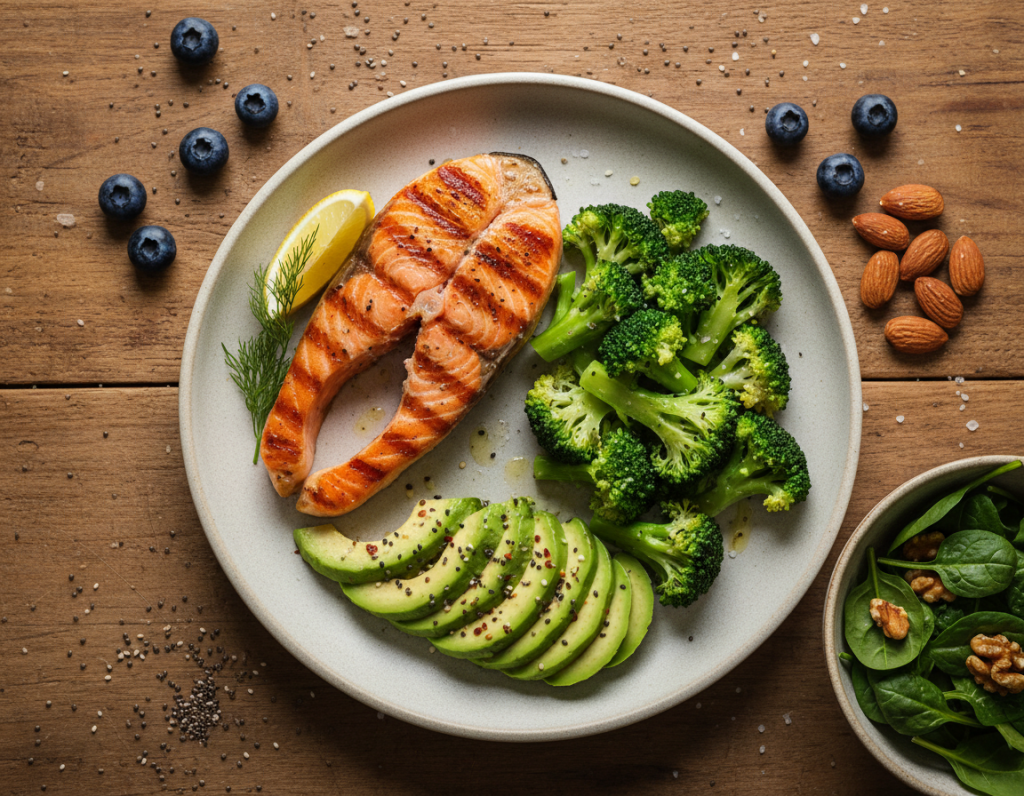
The quality of your calories matters as much as the quantity. Micronutrients like magnesium, B vitamins, and zinc play essential roles in the chemical reactions that produce energy.
- Magnesium: Found in leafy greens and pumpkin seeds, it is required for insulin to work properly.
- B Vitamins: Found in meat, eggs, and legumes, they are crucial for breaking down fats and proteins.
- Omega-3s: Found in fatty fish, they reduce cellular inflammation, allowing hormone receptors to function better.
Processed foods, conversely, are often stripped of these nutrients and loaded with inflammatory oils, which “clog” the cellular machinery and hinder flexibility.
10. Monitor your progress
How do you know if you are becoming more metabolically flexible? You likely won’t need a lab test. The signs are found in how you feel.
Positive indicators:
- You can go 4-5 hours between meals without hunger pangs.
- You have steady energy throughout the day, without the post-lunch slump.
- You can exercise in a fasted state without feeling dizzy.
- Your mental clarity improves.
According to research from the National Institutes of Health (NIH), improving metabolic flexibility is strongly correlated with long-term weight maintenance and a reduction in age-related metabolic decline.
Conclusion
Learning how to achieve metabolic flexibility for faster fat loss is a journey of physiological re-education. You are teaching your body to remember a skill it was designed to have but lost due to modern dietary habits.
By managing insulin through meal spacing, incorporating fasting windows, and engaging in both zone 2 and strength exercises, you can restore your ability to burn fat efficiently.
This process does not happen overnight. It takes time for mitochondria to adapt and for enzyme levels to shift.
However, the reward is freedom from the constant demand for food and a body that naturally regulates its weight. Start with small changes, such as eliminating snacks or walking daily, and build from there.
As your flexibility improves, you will find that maintaining a healthy weight becomes less of a struggle and more of a natural byproduct of a well-functioning system.



Frequently Asked Questions
How long to adapt?
For most people, it takes 2 to 4 weeks of consistent dietary changes and exercise to start feeling the shift towards better metabolic flexibility.
Is keto required?
No, the ketogenic diet is one way to force fat adaptation, but you can achieve flexibility simply by lowering refined carbs, fasting intermittently, and exercising.
Why do I feel tired?
During the transition phase, your body is learning to access fat. You may experience temporary fatigue (often called the “low carb flu”) until your enzymes adjust.
Can I eat fruit?
Yes, whole fruits contain fiber which slows down sugar absorption. Berries and apples are excellent choices that generally do not disrupt insulin as much as tropical fruits.
Does walking help?
Yes, walking is a low-intensity activity that primarily burns fat. Doing it consistently is one of the best ways to improve your baseline fat oxidation.