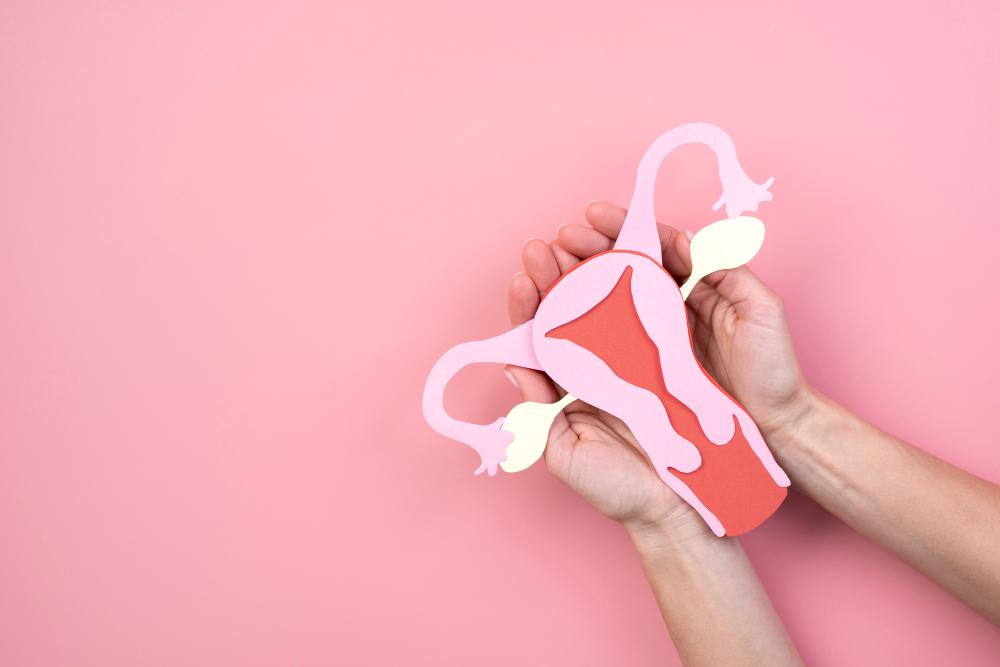


The female reproductive system is a complex and vital network within the body designed for several key purposes, including producing eggs, facilitating conception, and supporting pregnancy.
However, its role extends far beyond reproduction alone.
This system is intricately connected to your overall well-being, influencing bone health, cardiovascular function, and emotional stability through the production of essential hormones.
To truly advocate for your own health, you must have a clear grasp of the female reproductive system parts and functions.
This knowledge empowers you to recognize what is normal for your body and when you might need to seek professional medical advice.
This system is generally divided into two main categories: the internal organs located within the pelvis and the external structures.
While many people use general terms to describe these areas, understanding the specific anatomy helps in identifying pain points or irregularities.
From the ovaries that store your genetic material to the uterus that can expand to house a growing fetus, every component has a specialized job.
Whether you are trying to conceive, managing a menstrual condition, or simply aiming to understand your monthly cycle better, a foundational knowledge of how these organs work together is the first step toward a healthier life.
This guide will walk you through the anatomy and physiology in a clear, detailed manner.
Internal body parts
The internal reproductive organs are located safely within the pelvic cavity. These are the engines of the reproductive system, responsible for ovulation, fertilization, and gestation.
Understanding these individual parts clarifies how the system operates as a cohesive unit.
1. The two ovaries
The ovaries are small, oval-shaped glands located on either side of the uterus. They have two primary responsibilities: producing hormones and storing eggs. At birth, a female has all the eggs she will ever possess.
According to a 2020 study by the University of British Columbia, the health of ovarian follicles is a primary indicator of overall reproductive longevity.
Every month, the ovaries release an egg in a process called ovulation. If this egg is not fertilized, the hormone levels drop, triggering menstruation.
The ovaries are also the main source of estrogen and progesterone, the chemical messengers that regulate the menstrual cycle and affect secondary sex characteristics.
2. The fallopian tubes
These are narrow tubes that serve as the pathway from the ovaries to the uterus. When an ovary releases an egg, the fimbriae (small, finger-like projections at the end of the tubes) sweep the egg inside.
Fertilization usually occurs here. If sperm meets the egg within the fallopian tube, the resulting zygote travels down into the uterus for implantation.
If the tubes are blocked or damaged, natural conception becomes difficult, which is a common focus in fertility treatments.
3. The muscular uterus
Often called the womb, the uterus is a hollow, pear-shaped organ where a fetus develops. It is incredibly elastic and muscular.
The uterus consists of three layers, but the inner lining, called the endometrium, is the most dynamic. Each month, the endometrium thickens in preparation for a potential pregnancy.
If pregnancy does not occur, this lining is shed during your period. The middle layer, the myometrium, is composed of smooth muscle capable of the powerful contractions needed during labor.
4. The lower cervix
The cervix is the lower, narrow part of the uterus that connects to the vagina. It acts as a gatekeeper. During most of the menstrual cycle, it produces thick mucus to prevent bacteria from entering the uterus.
However, during ovulation, this mucus changes consistency to become thinner and slippery, helping sperm travel upward.
The cervix is also capable of incredible expansion (dilation) to allow a baby to pass through during childbirth.
5. The vaginal canal
The vagina is a muscular, elastic tube that connects the cervix to the outside of the body. It is often referred to as the birth canal.
The walls of the vagina are lined with mucous membranes that keep it protected and moist. It serves three main functions: it is the conduit for menstrual flow to leave the body, it receives the penis during sexual intercourse, and it facilitates childbirth.
It is important to note that the vagina has its own microbiome, and maintaining its natural pH balance is crucial for preventing infections.
External body parts
Many people mistakenly use the word “vagina” to refer to the external genitals, but the correct anatomical term is the vulva. The vulva protects the internal sexual organs and is sensitive to touch.
1. The outer lips
Anatomically known as the labia majora, these are the larger, outer folds of skin that enclose and protect the other external reproductive organs.
They contain sweat and oil-secreting glands. During puberty, hair begins to grow on the labia majora, providing an additional layer of protection for the sensitive tissues underneath.
2. The inner lips
The labia minora are the smaller folds of skin located just inside the labia majora. They surround the opening to the vagina and the urethra (the tube where urine leaves the body).
The skin here is very delicate and can vary significantly in size, shape, and color from person to person. This variation is entirely normal and healthy.
3. The sensory clitoris
Located at the top where the labia minora meet, the clitoris is a small, sensitive protrusion. Its sole function in the human body is sexual pleasure.
Although only a small part is visible externally, the clitoris extends internally. It is packed with nerve endings, making it highly responsive to stimulation.
4. The Bartholin’s glands
These glands are located beside the vaginal opening. Their primary function is to secrete fluid (mucus) to lubricate the vagina.
This lubrication is essential for comfort during daily activities and sexual intercourse, preventing friction and irritation of the delicate tissues.
How the cycle works
The female reproductive system parts and functions are orchestrated by a monthly rhythm known as the menstrual cycle. This is not just “having a period”; it is a complex series of hormonal signals. The average cycle is 28 days, though anywhere from 21 to 35 days is considered normal for adults.
| Phase | Duration | What Happens in the Body |
| Menstrual Phase | Days 1–5 | The uterus sheds its lining; bleeding occurs. Hormones are low. |
| Follicular Phase | Days 1–13 | The pituitary gland signals ovaries to prepare an egg. Estrogen rises. |
| Ovulation | Day 14 | A mature egg is released. This is the peak fertility window. |
| Luteal Phase | Days 15–28 | The body prepares for pregnancy. Progesterone rises. If no pregnancy, the cycle restarts. |
The cycle begins on the first day of bleeding. During the first half, estrogen levels rise, causing the lining of the uterus to thicken.
At the midpoint, ovulation occurs. If the egg is not fertilized, hormone levels crash, leading to the shedding of the lining. Tracking these phases can give you immense insight into your energy levels, mood, and physical health.
Hormonal health factors
Hormones are the chemical messengers that tell the reproductive organs what to do. The two primary hormones produced by the ovaries are estrogen and progesterone.
Estrogen is often associated with the first half of the cycle. It builds up the uterine lining, supports bone density, and maintains cholesterol levels.
Progesterone dominates the second half of the cycle (the luteal phase). Its job is to stabilize the uterine lining and maintain a pregnancy if it occurs. It also has a calming effect on the brain.
When these hormones are out of balance, you may experience symptoms like irregular periods, severe mood swings (PMS), or acne.
A study published by the National Institute of Child Health and Human Development (2021) highlighted that environmental stressors and diet significantly impact how these hormones are synthesized and metabolized. Maintaining a balanced lifestyle is key to keeping these chemical signals clear and effective.
Common health issues
Understanding the anatomy helps in recognizing when something is wrong. There are several conditions that frequently affect the female reproductive system.
1. Painful tissue growth
Endometriosis is a condition where tissue similar to the lining of the uterus grows outside of it, such as on the ovaries or fallopian tubes.
This misplaced tissue bleeds during menstruation but has no way to exit the body, causing inflammation, scar tissue, and severe pain.
2. Hormonal cyst syndrome
Polycystic Ovary Syndrome (PCOS) is a hormonal disorder causing enlarged ovaries with small cysts on the outer edges.
It is a leading cause of infertility and is often linked to metabolic issues like insulin resistance. Symptoms often include irregular periods and excess hair growth.
3. Bacterial infections
The vagina maintains a delicate balance of bacteria. Conditions like Bacterial Vaginosis (BV) or yeast infections occur when “bad” bacteria outnumber the “good” bacteria.
This can lead to itching, discharge, and discomfort. Hygiene habits and diet play a role in preventing these imbalances.
Supporting metabolic health
While understanding anatomy is crucial, it is equally important to recognize how your general metabolism influences reproductive health.
Issues like insulin resistance or sluggish metabolism can directly impact hormone production in the ovaries, exacerbating conditions like PCOS or causing irregular cycles.
Sometimes, dietary changes alone take time to show results, and the body may need additional support to regain its rhythm.
Complementary liquid support
For those looking to address metabolic efficiency as part of their wellness routine, KeySlim Drops offers a different approach.
This is a liquid supplement formulated with varied herbal ingredients intended to support the body’s natural metabolic processes.
This product is not a medical treatment for reproductive issues, nor is it a “magic fix.” Instead, it functions as a complementary tool for individuals who are already engaging in healthy lifestyle habits but feel their metabolism is stuck.
The liquid format allows for easy integration into a morning routine. Some users have shared that incorporating this type of metabolic support helped them feel more energized and balanced alongside their nutrition plans.
It is designed to work in the background, assisting the body in utilizing nutrients more effectively, which can indirectly support the energy required for hormonal regulation.
Protect your system
Taking care of your reproductive health involves small, daily actions that accumulate over time. You do not need expensive treatments to make a difference; consistency is what matters most.
- Prioritize Hygiene: Wear breathable cotton underwear and avoid douching, which disrupts the natural pH balance of the vagina. Clean the vulva with warm water and mild, unscented soap.
- Schedule Check-ups: Regular Pap smears and pelvic exams are essential for early detection of cervical abnormalities or infections.
- Practice Safe Sex: Using barrier methods (condoms) protects against sexually transmitted infections (STIs) that can damage the fallopian tubes and lead to infertility.
- Manage Stress: Chronic stress raises cortisol, which can suppress reproductive hormones and stop ovulation.
Food for fertility
Nutrition plays a massive role in how the female reproductive system parts and functions operate. A 2018 report from the Harvard T.H. Chan School of Public Health emphasized that diets rich in folic acid, vitamin B12, and omega-3 fatty acids are linked to higher fertility rates and better ovulatory function.
Foods to include:
- Leafy Greens: Spinach and kale provide iron and folate.
- Fatty Fish: Salmon and mackerel are high in Omega-3s, which reduce inflammation.
- Berries: Blueberries and raspberries are packed with antioxidants that protect egg cells from damage.
- Complex Carbs: Quinoa and oats help regulate blood sugar, which keeps insulin and hormones stable.
Aging and menopause
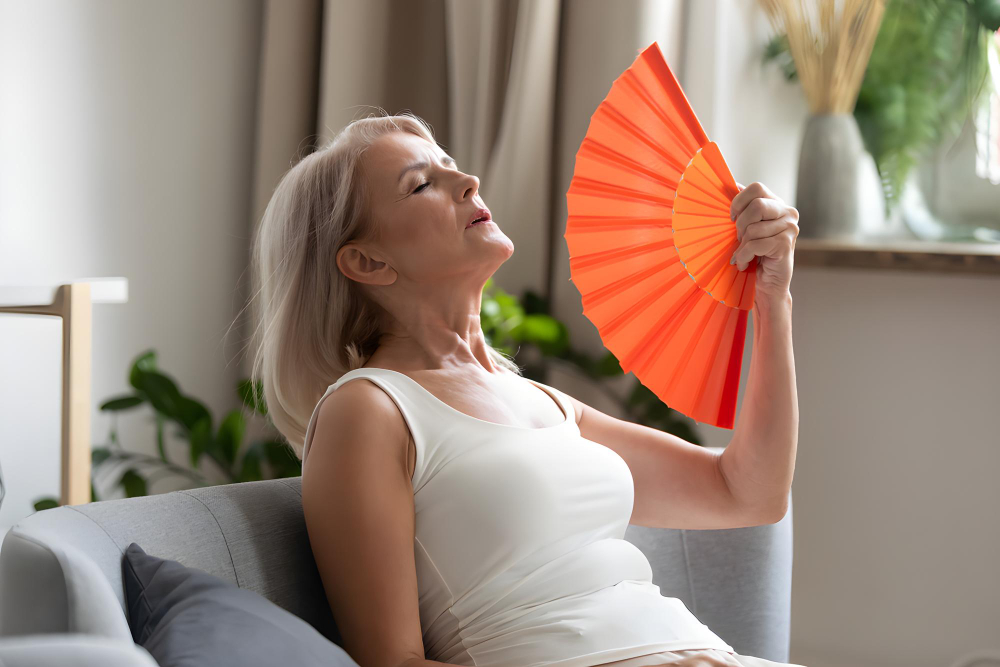
The reproductive system is not static; it changes as you age. Perimenopause is the transition phase leading up to menopause, usually starting in a woman’s 40s.
During this time, the ovaries gradually produce less estrogen. Menopause is officially diagnosed when you have gone 12 consecutive months without a menstrual period.
While this marks the end of fertility, it is the beginning of a new phase of health management. Lower estrogen levels can increase the risk of osteoporosis and heart disease.
Understanding this transition allows you to prepare by focusing on bone density exercises and heart-healthy eating habits before symptoms become severe.

Frequently Asked Questions
What are main parts?
The main internal parts are the ovaries (egg production), fallopian tubes (pathway), uterus (womb), cervix (opening), and vagina (canal). The external part is collectively called the vulva.
How does cycle work?
The cycle is controlled by hormones. It prepares the uterus for pregnancy each month. If no pregnancy occurs, the lining sheds as a period, and the cycle resets.
When to see doctor?
You should see a doctor if you experience severe pelvic pain, extremely heavy bleeding, missed periods (when not pregnant), or unusual discharge/odor.
Can diet affect periods?
Yes. Poor nutrition or extreme weight changes can disrupt hormone levels, leading to irregular periods or the cessation of menstruation (amenorrhea).
Is pain normal?
Mild discomfort is common, but debilitating pain that stops you from daily activities is not normal and should be evaluated for conditions like endometriosis.