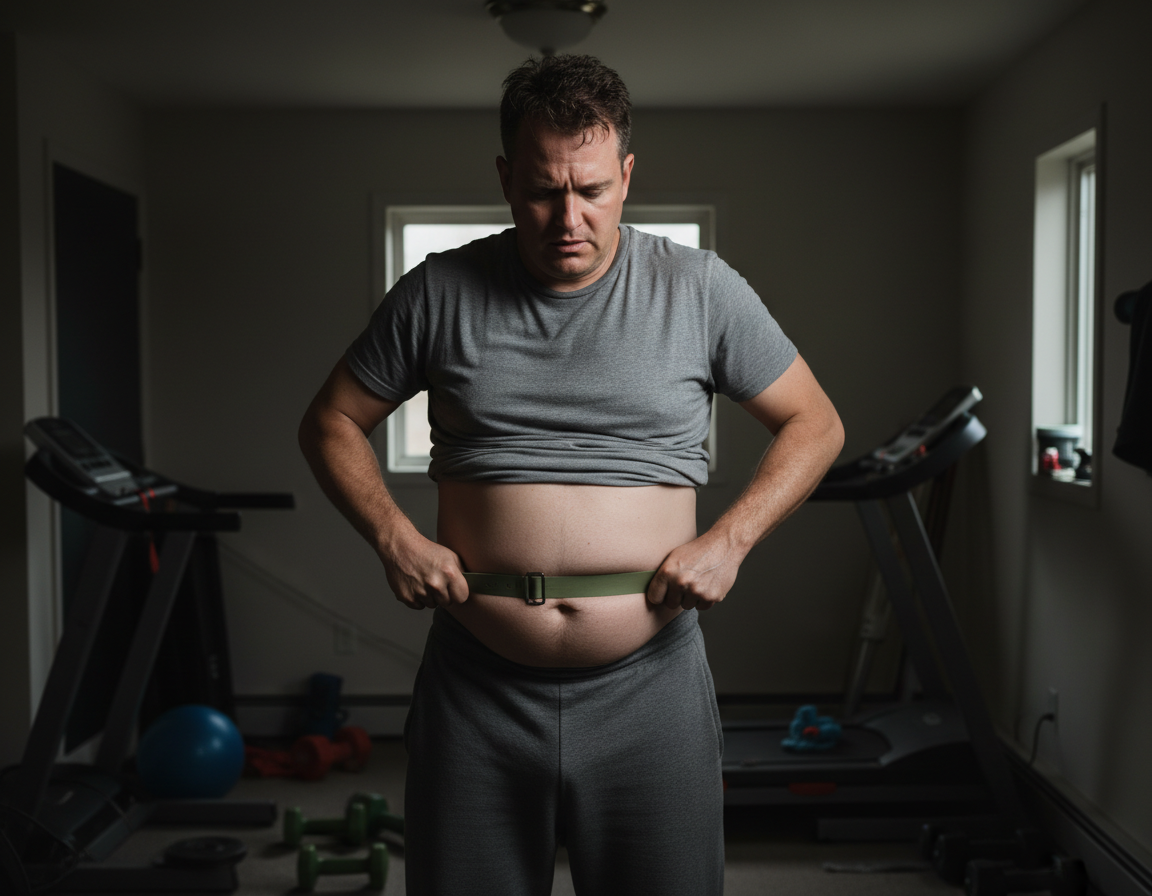

Men often notice a significant change in their bodies once they enter their fourth decade. You might find that the same diet and exercise routine that worked in your twenties no longer yields the same results.
This frustration is common, and understanding the root causes is the first step toward reclaiming your health. When looking at why men over 40 struggle with belly fat, it is essential to look beyond simple calorie counting.
The reality involves a complex shift in biology, hormones, and lifestyle factors that converge at this specific stage of life.
The accumulation of abdominal weight is not merely a cosmetic concern; it is a signal from your body regarding its internal function.
As you age, your metabolic rate naturally slows down, and the way your body processes energy shifts.
This is often compounded by increased responsibilities, higher stress levels, and changes in sleep patterns. To effectively lose abdominal fat, you must adopt a strategy that respects your current physiology rather than fighting against it.
This article explores the biological reasons behind this weight gain and offers clear, actionable steps to help you manage your weight and improve your overall well-being.
1. Hormonal Changes Occur
One of the primary reasons for weight gain in midlife involves the natural shift in hormone production. These chemical messengers dictate how your body stores fat and builds muscle.
1.1. Testosterone Levels Drop
Testosterone is the primary male sex hormone, and it plays a critical role in maintaining muscle mass and keeping body fat low.
Research indicates that after the age of 30, testosterone levels begin to decline gradually, often by about 1% per year. By the time a man reaches 40, this decline becomes more noticeable.
Lower testosterone levels make it harder for the body to build new muscle tissue. Since muscle burns more calories at rest than fat does, a loss of muscle leads to a slower metabolism.
Furthermore, low testosterone is specifically linked to the storage of visceral fat, which is the fat stored deep inside the abdomen around the organs.
A study published in the New England Journal of Medicine (2013) highlighted that suppression of testosterone production is directly associated with significant increases in fat mass and decreases in lean mass in men.
1.2. Stress Hormone Increases
The second hormonal factor is cortisol, often called the “stress hormone.” Men in their 40s frequently face peak career pressures and family responsibilities. Chronic stress keeps cortisol levels elevated.
When cortisol is high for long periods, the body switches into survival mode. It holds onto fat stores, particularly in the abdominal region, as a quick energy source for the “fight or flight” response.
This type of fat is stubborn and difficult to burn through exercise alone if stress levels remain unmanaged.
2. Metabolism Slows Down
Your metabolism is the internal engine that burns energy. As you age, this engine naturally begins to run at a slower pace, requiring adjustments to your daily intake.
2.1. Muscle Mass Reduces
The scientific term for age-related muscle loss is sarcopenia, but in simple terms, it means your body burns fewer calories simply because you have less muscle.
Muscle tissue is metabolically active; it requires energy just to exist. As muscle mass naturally decreases with age—exacerbated by a sedentary lifestyle—your resting metabolic rate drops.
This means that eating the exact same amount of food you ate ten years ago will now result in a calorie surplus. That surplus is typically stored as fat around the midsection.
2.2. Daily Activity Drops
Beyond biological changes, there is often a decline in Non-Exercise Activity Thermogenesis (NEAT).
This refers to the calories you burn doing daily tasks like walking, standing, fidgeting, or doing chores.
Common reductions in activity for men over 40:
- More time spent sitting at a desk or in a car.
- Less participation in active sports compared to their 20s.
- Increased fatigue leading to more sedentary leisure time.
When NEAT decreases, the total number of calories burned in a day drops significantly, making weight management much harder.
3. Sleep Quality Declines
Many men undervalue sleep, viewing it as a luxury rather than a health necessity. However, poor sleep is a direct contributor to belly fat accumulation.
3.1. Hunger Hormones Shift
Sleep deprivation disrupts two key hunger hormones: ghrelin and leptin. Ghrelin signals hunger, while leptin signals fullness. When you do not sleep enough, ghrelin levels spike, and leptin levels plummet. This creates a biological drive to eat more, specifically craving high-sugar and high-carbohydrate foods for quick energy.
3.2. Body Recovery Slows
Deep sleep is when the body repairs tissue and regulates metabolism. Men over 40 often experience fragmented sleep or conditions like sleep apnea.
A study from the University of Chicago (2004) found that sleep restriction results in metabolic changes that mimic aging and can increase the risk of obesity and diabetes.
Without adequate rest, the body cannot process insulin effectively, leading to increased fat storage.
4. Diet Needs Change
The nutritional needs of a man in his 40s are distinct from those of a younger man. Continuing old eating habits is a recipe for weight gain.
4.1. Alcohol Impact Grows
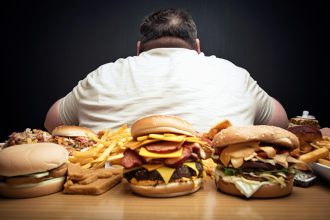
Alcohol consumption often becomes a regular habit for stress relief or social reasons. However, alcohol provides “empty calories”—energy with no nutritional value.
Furthermore, when alcohol is present in the blood, the body pauses fat burning to metabolize the alcohol first.
For men over 40, the “beer belly” is a real physiological response to how the liver processes alcohol and sugar.
4.2. Sugar Processing Changes
Insulin resistance becomes more common with age. This means your cells stop responding efficiently to insulin, the hormone that regulates blood sugar.
Instead of being used for energy, sugar stays in the bloodstream and is eventually stored as fat. This is particularly dangerous as it encourages the growth of visceral fat around the liver and pancreas.
5. Practical Action Plan
Understanding why men over 40 struggle with belly fat is only the first part of the equation. The second part is taking action. You do not need extreme diets or marathon training. Small, consistent changes yield the best results.
5.1. Prioritize Protein Intake
Protein is essential for preserving muscle mass during weight loss. It also has a high thermic effect, meaning your body burns more calories digesting protein than it does fats or carbs.
Simple Protein Sources:
- Lean chicken or turkey.
- Eggs and egg whites.
- Fish rich in Omega-3s (Salmon, Mackerel).
- Plant-based options like lentils and beans.
5.2. Start Walking Daily
You do not need to start with heavy running. Walking is a low-impact, highly effective way to burn fat without spiking cortisol levels. Aim for a brisk 30-minute walk every day.
This simple activity improves insulin sensitivity and burns calories without placing stress on aging joints.
5.3. Manage Stress Levels
Since stress drives belly fat, relaxation is a tool for weight loss. Find a method that works for you.
- Breathing exercises: 5 minutes in the morning.
- Hobbies: Engaging in activities unrelated to work.
- Disconnecting: Reducing screen time before bed.
6. Support Your Metabolism
Sometimes, despite diet and exercise, progress can feel slow due to the metabolic resistance mentioned earlier. In these cases, using a natural support system can help bridge the gap.
6.1. Consider Natural Aids
For men seeking to support their metabolism and manage cravings, products like KeySlim Drops can be a helpful addition to a healthy routine. It is important to view this as a tool, not a replacement for healthy habits.
6.2. About KeySlim Drops
KeySlim Drops is a natural liquid weight-management supplement designed to support metabolism, appetite control, and overall well-being. Because it is a liquid formula, it allows for faster absorption than traditional pills.
Main Ingredients:
The formula includes a blend of natural components known for their health properties, including Green Tea Extract, Guarana, Raspberry Ketones, African Mango, Gymnema Sylvestre, Maca Root, and Ginseng (Panax and Eleuthero).
It also contains amino acids like L-Carnitine, L-Glutamine, and L-Ornithine, alongside chromium picolinate and other botanical extracts like Grapefruit and Grape Seed Extract.
Real Benefits for the User:
- Appetite Control: It helps reduce emotional hunger and cravings, which is crucial when trying to cut calories.
- Energy Support: Ingredients like Green Tea and Guarana contribute to energy, focus, and mood, helping you stay active.
- Metabolic Support: It stimulates thermogenesis (fat burning) and supports digestion.
How it Works:
The drops work gradually to help balance cortisol (stress), control sugar cravings, and support gut health. This aligns well with the needs of men over 40 who deal with stress-induced weight gain and slower digestion.
Safety:
It is a natural formula made in the USA in FDA-registered and GMP-certified facilities. There are no relevant side effects reported.
Note: If you are interested in how this specific blend can support your goals, I recommend reading our full KeySlim Drops Review to understand the details fully.
7. Structure Your Routine

Consistency is more important than intensity. Building a daily structure helps automate healthy choices.
7.1. Create Simple Habits
Do not try to change everything overnight. Pick three small habits to stick to for 30 days.
Small Step by Step Guide:
- Morning: Drink a large glass of water immediately upon waking to hydrate your metabolism.
- Lunch: Ensure half your plate is vegetables and one-quarter is lean protein.
- Evening: Stop eating 3 hours before bed to allow your body to digest before sleep.
7.2. Track Your Progress
Use a journal or a simple app to track what you eat and how much you move. Men who track their intake are statistically more successful at losing weight because it prevents “mindless eating.”
Daily Goals Checklist
| Time of Day | Action Item | Benefit |
| Morning | 20g Protein Breakfast | Stabilizes blood sugar all day. |
| Mid-Day | 20 Minute Walk | Lowers stress and burns fat. |
| Afternoon | Hydration Break | Prevents false hunger signals. |
| Evening | No screens 1hr before bed | Improves sleep quality and hormones. |
8. Understand Health Risks

Ignoring belly fat can lead to serious health complications down the road. This is known as metabolic syndrome.
8.1. Heart Health Risks
Visceral fat produces inflammatory substances that affect blood vessels. This increases the risk of high blood pressure and heart disease. A study published by the National Institutes of Health (NIH) confirms that excess abdominal fat is a stronger predictor of heart disease than overall BMI.
8.2. Diabetes Warning Signs
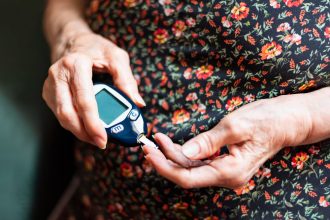
Belly fat is the leading risk factor for Type 2 diabetes. As fat accumulates around the organs, the body loses its ability to regulate sugar, leading to chronic health issues. Losing even 5-10% of your body weight can drastically reduce this risk.
Conclusion
The reason why men over 40 struggle with belly fat is a combination of biology, environment, and habit.
While you cannot stop the aging process or the natural decline of testosterone, you have full control over how you respond to these changes.
By prioritizing sleep, managing stress, eating sufficient protein, and staying active, you can reverse the accumulation of abdominal fat.
Remember that this process takes time. The body does not gain weight overnight, and it will not lose it overnight.
Be patient with yourself and focus on how you feel—your energy levels, your sleep quality, and your mood—rather than just the number on the scale.
Whether you choose to incorporate metabolic support like KeySlim Drops or focus purely on lifestyle adjustments, the most important step is the one you take today towards a healthier future.



Frequently Asked Questions
Why is belly fat stubborn?
Belly fat, specifically visceral fat, has a higher density of cortisol receptors. This means it is biologically designed to protect fat stores during times of stress, making it harder to burn off compared to fat in other areas of the body.
Can walking help lose fat?
Yes, walking is very effective. It burns calories without placing high stress on the body. High-stress exercise can sometimes spike cortisol, which counteracts fat loss. Walking keeps stress low while increasing daily calorie expenditure.
Do I need supplements?
Supplements are not mandatory but can be helpful tools. Products like KeySlim Drops can support metabolism and curb cravings, making the process easier, but they should always complement a healthy diet and proper sleep.
How much protein is needed?
A general guideline for men over 40 is to consume roughly 0.7 to 1 gram of protein per pound of body weight. This helps maintain muscle mass, which is the engine that keeps your metabolism running efficiently.
Does alcohol cause belly fat?
Yes. Alcohol stops fat burning immediately because the body prioritizes removing the alcohol toxin. It also adds significant empty calories and often leads to poor food choices, contributing directly to abdominal weight gain.