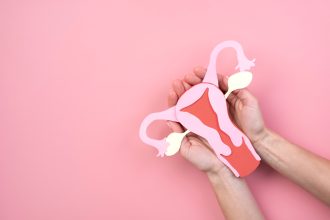


Estrogen is widely recognized as the primary female sex hormone, responsible for reproductive development and menstrual cycles.
However, its influence extends far beyond reproduction, playing a critical and often overlooked role in how your body manages energy and stores fat.
For many individuals, the inability to shed excess pounds is not strictly a matter of calories in versus calories out, but rather a disruption in chemical signaling.
Achieving estrogen balance for weight loss is a physiological necessity because this hormone directly dictates insulin sensitivity and where adipose tissue accumulates on your frame.
When estrogen levels are too high, a condition often referred to as dominance, the body tends to store fat around the hips and thighs.
Conversely, when levels drop significantly, such as during menopause, fat storage shifts to the visceral area, leading to abdominal weight gain that is metabolically dangerous.
Understanding this biological mechanism is the first step toward regaining control of your health. By addressing the root causes of hormonal fluctuations—whether they stem from diet, environmental toxins, or stress—you can create an internal environment that supports a healthy metabolism.
This article will guide you through the anatomy of hormones and provide actionable, evidence-based strategies to restore equilibrium naturally.
Understand hormone function
To effectively manage your weight, you must first understand what your hormones are trying to tell your body. Estrogen does not work in isolation; it functions as a regulator for glucose and lipid metabolism.
It helps control how your body responds to insulin, the hormone that unlocks cells to absorb energy.
According to a study published by the Yale School of Medicine (2018), estrogen acts on the brain to regulate hunger signals and energy expenditure.
When this signal is disrupted, the brain may perceive a state of energy deficit, prompting the body to conserve calories as fat.
This is why many people find that standard diet and exercise routines yield diminishing returns over time if their hormonal baseline is skewed.
Balancing these levels isn’t about forcing a number on a scale; it is about repairing the metabolic communication pathways so your body feels safe enough to release stored energy.
Identify imbalance signs
Recognizing the physical manifestations of hormonal issues can save you months of frustration. Your body provides clear signals when it is struggling to process or produce hormones efficiently.
1. Persistent bloating
Water retention is a classic sign that estrogen and progesterone are not in sync. Estrogen causes tissues to hold salt and water, while progesterone acts as a natural diuretic. When estrogen is unopposed, you may feel perpetually puffy or swollen.
2. Abdominal fat gain
If you notice weight accumulating specifically around your midsection, despite no changes in diet, low estrogen (common in perimenopause) or high cortisol may be the culprit. This visceral fat acts as its own endocrine organ, producing inflammatory chemicals.
3. Irregular sleep patterns
Estrogen helps regulate magnesium levels and neurotransmitters that promote sleep. A drop in levels often leads to night sweats and insomnia, which in turn spikes cortisol and promotes further weight gain.
4. Intense sugar cravings
Fluctuating hormones can cause erratic blood sugar levels. When blood sugar crashes, the body demands quick energy, usually in the form of refined carbohydrates or sugar, creating a cycle of insulin spikes and fat storage.
Support liver health
The liver is the filtration plant of the body, and it plays a non-negotiable role in achieving estrogen balance for weight loss. Once estrogen has completed its job in the body, it is sent to the liver to be broken down and prepared for elimination.
If the liver is overburdened by alcohol, processed foods, or environmental toxins, it cannot metabolize estrogen efficiently. This leads to a recirculation of “used” hormones back into the bloodstream in a more potent, toxic form. This recirculation contributes significantly to estrogen dominance.
Steps to support liver function:
- Reduce Alcohol: Alcohol halts fat burning and distracts the liver from detoxifying hormones.
- Bitter Greens: Foods like dandelion greens and arugula stimulate bile production, which carries toxins out of the body.
- Hydration: Drinking adequate water ensures that the filtration process remains fluid and efficient.
Heal your gut
There is a specific colony of bacteria in your microbiome known as the “estrobolome.” These bacteria produce an enzyme essential for metabolizing estrogen.
A study from the University of Illinois (2019) highlighted that a lack of diversity in gut bacteria can lead to reabsorption of estrogen that should have been excreted.
If your gut health is compromised—manifesting as constipation or irregular bowel movements—hormones sit in the waste longer than intended, allowing them to re-enter circulation.
Prioritizing gut health ensures that once the body detoxifies a hormone, it actually leaves your system.
Gut-Supportive Actions:
- Prebiotic Foods: Garlic, onions, and asparagus feed healthy bacteria.
- Probiotics: Fermented foods like kimchi and sauerkraut introduce beneficial strains.
- Regularity: Ensuring daily bowel movements is crucial for hormonal excretion.
Eat cruciferous vegetables
One of the most powerful dietary changes you can make is increasing your intake of cruciferous vegetables.
These foods contain a compound called indole-3-carbinol (I3C), which the body converts into diindolylmethane (DIM). DIM helps the body process estrogen down healthy pathways rather than toxic ones.
Consistently eating these vegetables helps shift the ratio of estrogen metabolites, favoring the protective forms over the forms associated with weight gain and cellular damage.
| Vegetable | Preparation Tip | Frequency |
| Broccoli | Steam lightly to preserve enzymes | 3-4 times a week |
| Brussels Sprouts | Roast with olive oil | 1-2 times a week |
| Cauliflower | Rice it or roast whole | Versatile daily side |
| Kale | Massage with lemon for salads | Add to daily smoothies |
Increase dietary fiber
Fiber acts as a sponge in the digestive tract. It binds to excess estrogen and cholesterol in the bile and escorts them out of the body through stool. Without adequate fiber, these compounds can be reabsorbed.
Most Americans do not consume the recommended 25-30 grams of fiber daily. By simply increasing fiber intake, you can significantly assist your body’s natural detoxification pathways.
Focus on soluble fiber found in flaxseeds, legumes, and apples. Flaxseeds, in particular, contain lignans, which are plant compounds that can modulate estrogen levels—boosting them if they are too low and blocking them if they are too high.
Manage stress levels

Stress is a major disruptor of hormonal harmony. When you are chronically stressed, your adrenal glands produce high levels of cortisol.
Because cortisol and progesterone share the same precursor hormone (pregnenolone), high stress demands cause the body to “steal” resources from progesterone production to make more cortisol.
This phenomenon, often called the “pregnenolone steal,” leads to a relative estrogen dominance because there is not enough progesterone to balance it out. Furthermore, cortisol specifically encourages fat storage in the abdominal area.
Simple stress-reduction techniques:
- Deep Breathing: engaging the diaphragm for 5 minutes lowers heart rate.
- Nature Walks: Low-impact movement outdoors reduces cortisol without stressing the body.
- Boundaries: Learning to say no prevents emotional burnout.
Exploring metabolic support
While adjusting your diet and managing stress are the foundational pillars of health, some individuals find that their metabolism requires additional support to restart, especially after years of hormonal fluctuations. It is common to feel like you are doing “all the right things” but seeing slow progress.
In these instances, products like KeySlim Drops are sometimes utilized by individuals seeking a complementary aid.
This liquid supplement is formulated with a blend of herbs and natural extracts intended to support the body’s metabolic functions.
It is not a replacement for the lifestyle changes discussed here—fiber, sleep, and liver health remain paramount. However, for those looking to round out their wellness routine, adding a metabolic support option can sometimes provide that extra nudge.
Users who have integrated this into a holistic regimen often report feeling a steadier energy flow, which helps them maintain the consistency needed for long-term success.
Avoid environmental toxins
We live in a chemical-laden world, and many of these chemicals act as “xenoestrogens”—foreign compounds that mimic estrogen in the body.
These chemicals can bind to hormone receptors and trigger hormonal effects even more potently than your natural hormones.
A review in the Journal of Clinical Endocrinology & Metabolism (2021) noted that exposure to endocrine-disrupting chemicals (EDCs) is linked to obesity and metabolic disorders. Minimizing your exposure to these toxins is a proactive way to lower your total estrogen load.
Sources to minimize:
- Plastics: Avoid heating food in plastic containers; use glass instead.
- Pesticides: Choose organic produce for the “Dirty Dozen” (fruits/veggies with highest residue).
- Personal Care: Look for parabens-free and phthalate-free lotions and shampoos.
Prioritize sleep quality
Sleep is when the body performs its deepest maintenance. During REM sleep, the brain detoxifies, and the endocrine system recalibrates. Poor sleep increases ghrelin (the hunger hormone) and decreases leptin (the satiety hormone), making it physically difficult to stick to a healthy diet the next day.
Furthermore, melatonin, the sleep hormone, actually helps regulate estrogen. When melatonin production is suppressed by artificial light or lack of sleep, estrogen levels can become unregulated. Aim for 7 to 9 hours of quality sleep in a cool, dark room to support your weight loss efforts.
Step-by-step reset
If you feel your system is out of balance, you can try this simple 5-step reset for one week to lower inflammation and support your hormones.
- Eliminate Processed Sugar: Cut out added sugars to lower insulin spikes.
- Hydrate Upon Waking: Drink 16oz of water with lemon immediately after waking to flush the liver.
- Green Veggie Daily: Ensure at least one meal contains a large serving of cruciferous vegetables.
- 12-Hour Fast: Stop eating 3 hours before bed and wait 12 hours before breakfast to give your digestion a break.
- Daily Movement: Walk for 20 minutes daily to assist lymphatic drainage.
Exercise for hormones
Not all exercise is created equal when you are trying to balance hormones. While high-intensity interval training (HIIT) is popular, it can raise cortisol levels if done too frequently by someone with adrenal fatigue.
For estrogen balance for weight loss, a mix of strength training and low-impact steady-state cardio is often best.
Strength training builds muscle tissue, which increases the number of insulin receptors, helping to control blood sugar. Muscle is also metabolically active tissue, burning more calories at rest.
Yoga and Pilates are also excellent as they build strength without spiking cortisol, helping to keep the stress-hormone feedback loop in check.
Consistency over perfection

Rebalancing your biochemistry takes time. Unlike crash diets that force water weight off in a week, hormonal healing is a gradual process of cellular repair.
You may not see the scale move immediately, but look for other signs of progress: better energy, clearer skin, reduced PMS symptoms, and less bloating.
By focusing on nutrient-density, liver support, and stress management, you are building a foundation that makes weight maintenance effortless in the long run. Trust the process and listen to your body’s signals.



Frequently Asked Questions
What are high estrogen symptoms?
Common signs include heavy or painful periods, bloating, tenderness in the breasts, mood swings, and weight gain specifically around the hips and thighs.
Does menopause cause belly fat?
Yes. As estrogen levels drop during menopause, fat storage shifts from the hips to the abdomen. This visceral fat is more dangerous as it surrounds internal organs.
How to test hormone levels?
You can request a blood panel from your doctor. However, saliva or dried urine testing (like the DUTCH test) often provides a more comprehensive look at how hormones are being metabolized over a 24-hour period.
Can fiber help weight loss?
Absolutely. Fiber binds to excess estrogen in the gut and ensures it is excreted. It also stabilizes blood sugar, preventing insulin spikes that lead to fat storage.
How long to see results?
Hormonal cycles take about a month to complete. Most people begin to feel significant changes in energy and mood within 4 to 6 weeks of consistent lifestyle changes.