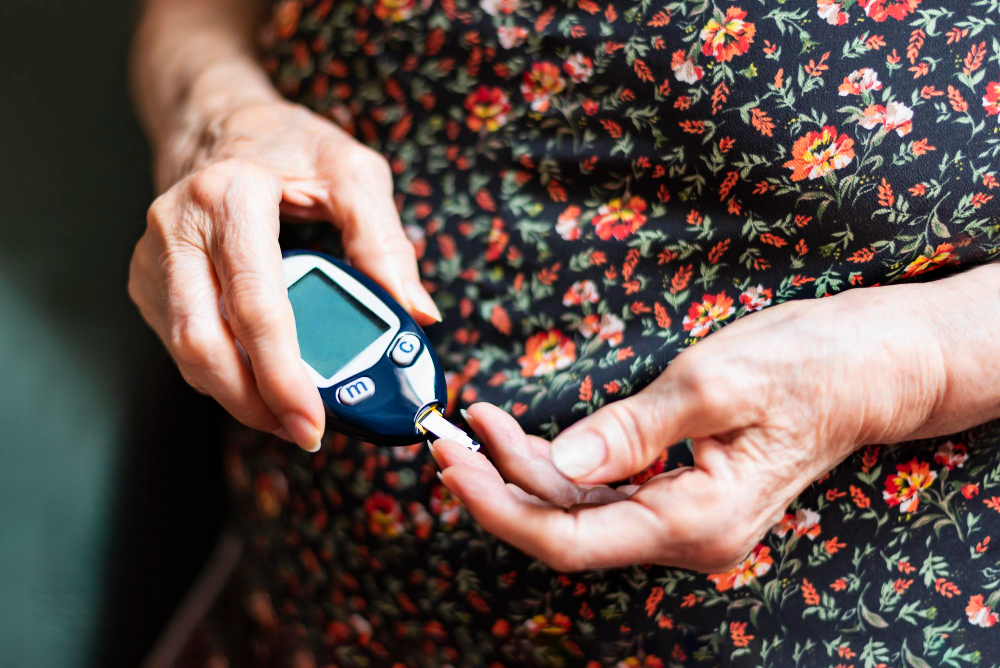


Many people find themselves trapped in a cycle of restrictive dieting and intense exercise without seeing the numbers on the scale budge.
- 2. The insulin weight connection
- 3. Scientific metabolic health insights
- 4. Nutrition for metabolic repair
- 5. Movement and glucose uptake
- 6. Stress and metabolic blocks
- 7. Supporting your metabolic journey
- 8. Identifying your progress
- 9. Creating a sustainable plan
- 10. Conclusion
- You May Also Like:
- Frequently Asked Questions
Often, the missing piece of the puzzle is not a lack of willpower, but a metabolic roadblock known as insulin resistance.
When your cells stop responding efficiently to insulin, your body shifts into a chronic storage mode, making it biologically difficult to access stored fat for fuel.
Learning how to fix insulin resistance to finally lose weight involves shifting your internal chemistry from fat storage to fat burning.
By prioritizing blood sugar stability and restoring hormonal balance, you can unlock your body’s natural ability to shed excess pounds while improving your overall energy and long-term health.
The journey to metabolic recovery is grounded in science and sustainable lifestyle adjustments. Rather than focusing on short-term fixes, the goal is to improve how your body processes glucose and responds to the hormone insulin.
When your sensitivity improves, your pancreas no longer needs to overproduce insulin, which lowers systemic inflammation and reduces the cravings that often lead to overeating.
In this comprehensive guide, we will explore the foundational pillars of metabolic health, including specific nutritional strategies, the impact of physical activity, and the often-overlooked role of stress management in the weight loss journey.
2. The insulin weight connection
To understand how to fix insulin resistance to finally lose weight, we must first look at how this hormone dictates fat storage. Insulin is often called the “storage hormone” because its primary job is to move glucose into cells.
Fat storage signal
When levels remain chronically high, the body receives a constant signal to store energy. High insulin acts as a chemical lock on your fat cells, preventing the breakdown of adipose tissue for energy.
This explains why even in a calorie deficit, weight loss can remain stagnant if insulin levels are not addressed.
The hunger cycle
Insulin resistance often leads to reactive hypoglycemia, where blood sugar crashes shortly after eating. This triggers intense cravings for sugar and refined carbohydrates, creating a frustrating loop of overconsumption and metabolic stress.
3. Scientific metabolic health insights
Modern research provides a clear roadmap for reversing metabolic dysfunction. These studies highlight that the body is highly adaptable when given the right environmental signals.
Protein and satiety
A study published in the American Journal of Clinical Nutrition (2020) demonstrated that higher protein intake significantly improves insulin sensitivity. Protein requires more energy to digest and helps preserve lean muscle mass, which is the most metabolically active tissue in the body.
Carbohydrate quality matters
Research from the Journal of Nutrition (2018) indicates that replacing refined grains with whole, fiber-rich grains reduces systemic inflammation and improves the insulin response. Fiber acts as a natural brake, slowing down the entry of glucose into the bloodstream.
The impact of sleep
According to research from The Lancet (2019), even a single week of sleep deprivation can induce a state of temporary insulin resistance in otherwise healthy individuals. Quality rest is non-negotiable for anyone looking to optimize their weight loss efforts.
4. Nutrition for metabolic repair
Your diet is the most influential tool for changing your hormonal profile. Focusing on specific food groups can help lower the demand for insulin.
Prioritize healthy fats
Fats do not stimulate insulin production. By incorporating healthy fats such as avocados, olive oil, and walnuts, you provide your body with a stable energy source that doesn’t trigger the storage response.
Manage glucose spikes
Using the “food order” method—eating vegetables and proteins before carbohydrates—can reduce the glucose spike of a meal by up to 75%. This simple shift helps fix insulin resistance by preventing the massive insulin surges that follow high-carb meals.
| Food Category | Examples | Metabolic Benefit |
| Leafy Greens | Spinach, Kale, Arugula | High fiber, minimal glucose impact |
| Lean Protein | Salmon, Grass-fed beef, Eggs | Supports muscle and satiety |
| Slow Carbs | Berries, Sweet potatoes, Beans | Gradual energy release |
| Healthy Fats | Almonds, Avocado, Seeds | Buffers insulin response |
5. Movement and glucose uptake
Exercise is a powerful “insulin sensitizer.” It allows your muscles to take up glucose from the blood without the need for large amounts of insulin.
Strength training focus
Building muscle increases your “glucose sink.” The more muscle mass you have, the more sugar your body can process efficiently. Aim for at least two to three days of resistance training per week to see long-term metabolic benefits.
Low intensity activity
Walking, especially after meals, is a highly effective way to manage postprandial glucose levels. A 10-minute walk can significantly lower the insulin requirement for a meal, aiding the process of weight loss.
6. Stress and metabolic blocks
Chronic stress produces cortisol, which directly interferes with insulin’s ability to do its job. If you are constantly in “fight or flight” mode, your body will prioritize storing fat in the abdominal region.
- Practice Mindful Breathing: Short sessions of deep breathing can lower cortisol almost instantly.
- Get Natural Light: Exposure to morning sunlight helps regulate your circadian rhythm, which in turn balances metabolic hormones.
- Reduce Liquid Sugars: Sugary coffees and sodas provide a massive glucose load without any fiber, significantly worsening resistance.
7. Supporting your metabolic journey
While the foundational pillars of nutrition and movement are essential, many people find that additional support can help them overcome weight loss plateaus.
The process of retraining your metabolism can be challenging, especially in the early stages when your body is adapting to new fuels.
During my time researching metabolic health, I have observed that some individuals choose to complement their efforts with specific nutritional aids. If you feel you need an extra boost, you might consider looking into our review of Keyslim Drops.
This formula is designed as an optional support for those already committed to a healthy diet and exercise plan. It features a blend of traditional herbs and ingredients that may help support metabolic energy.
It is important to remember that such products are not a magic solution on their own; however, many users have shared that they found it easier to stay consistent with their wellness routine when using a complementary tool to support their natural energy levels.
8. Identifying your progress
When you work to fix insulin resistance to finally lose weight, the scale is not the only measure of success. In fact, metabolic markers often improve before significant weight is lost.
- Reduced Brain Fog: Stable blood sugar leads to better cognitive function and fewer afternoon energy dips.
- Improved Waist Circumference: A reduction in abdominal fat is a primary sign that insulin levels are dropping.
- Less Intense Cravings: As your cells become more sensitive to insulin, the urgent need for sugar usually diminishes.
9. Creating a sustainable plan
Consistency is more important than intensity. Start by making small shifts that you can maintain for years rather than weeks.
- Start with Fiber: Always include a serving of vegetables with every meal.
- Move Daily: Even if it is just a walk, keep your muscles active to process glucose.
- Prioritize Protein: Ensure every meal has a high-quality protein source to protect your metabolism.
10. Conclusion

Fixing the underlying metabolic issues is the most effective way to ensure that your weight loss efforts are successful and permanent.
When you understand how to fix insulin resistance to finally lose weight, you stop fighting against your own biology and start working with it.
By lowering the chronic demand for insulin through thoughtful nutrition, consistent movement, and stress reduction, you allow your body to naturally return to a state of balance.
This transformation does not require perfection; it requires a commitment to providing your body with the right signals.
Over time, your insulin sensitivity will improve, your energy will stabilize, and the weight that once felt impossible to lose will begin to shed.
Focus on the health of your cells, and the aesthetic results will follow. Every meal is an opportunity to heal your metabolism and move one step closer to your goals.
You May Also Like:
- Exercises to burn stomach fat and tone your core naturally
- How to burn back fat with effective habits for success
- Workouts to lose love handles and tone your midsection
Frequently Asked Questions
Can you reverse insulin resistance naturally?
Yes, insulin resistance is highly responsive to lifestyle changes. By reducing refined sugars, increasing fiber, and engaging in regular physical activity, most people can significantly improve their insulin sensitivity and metabolic health.
How to fix insulin resistance to finally lose weight?
The most effective approach is a combination of a low-glycemic diet, regular strength training, and ensuring adequate sleep to manage cortisol levels, which helps the body exit fat-storage mode.
What are the signs of resistance?
Common signs include persistent abdominal fat, frequent hunger even after eating, skin tags, and dark patches of skin around the neck or armpits. Fatigue after meals is also a frequent indicator.
How long does it take?
While some people notice energy improvements within a week, structural changes to insulin sensitivity and significant weight loss typically take 12 weeks of consistent lifestyle adjustments.
Does fasting help with resistance?
Intermittent fasting can be a helpful tool for some, as it allows insulin levels to drop to a baseline for an extended period, giving the cells a break from constant hormonal stimulation.